What is UPVC Cladding and Why is it the Best Choice for Your Home
In the realm of home improvement, the choice of materials can significantly impact both aesthetics and functionality. One such material that has gained immense popularity in recent years is UPVC cladding. According to industry expert John Smith, "UPVC cladding is not just a practical solution for enhancing the exterior of your home; it also provides a modern look that withstands the test of time." This statement encapsulates the sentiment shared by many homeowners who seek durability and style in their property renovations.
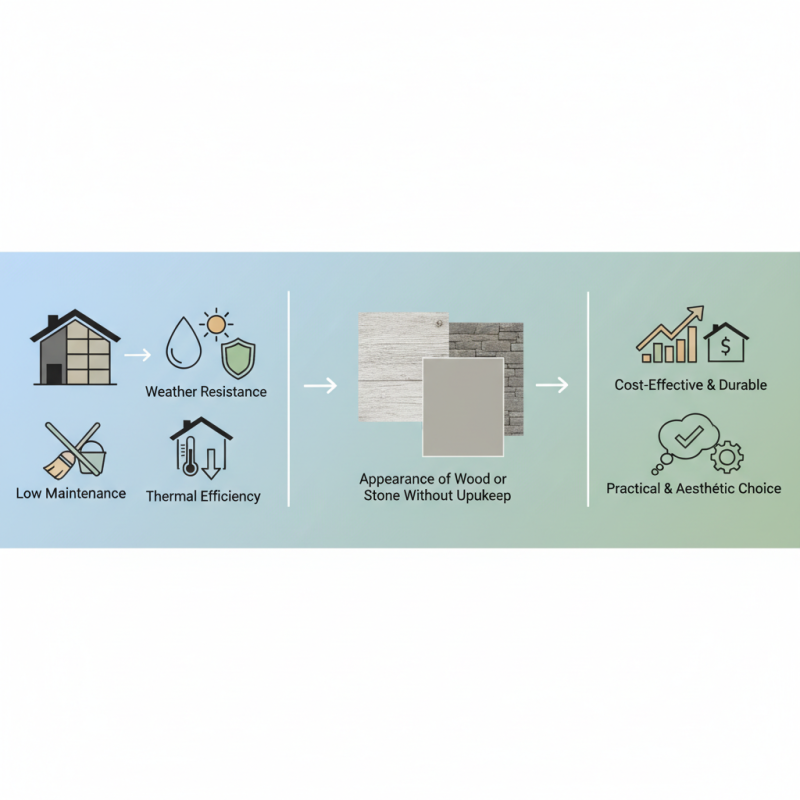
UPVC cladding offers numerous benefits, making it an exceptional choice for homeowners looking to elevate their living spaces. It is renowned for its weather resistance, low maintenance requirements, and thermal efficiency, setting it apart from traditional materials. With the ability to imitate the appearance of wood or stone without the associated upkeep, UPVC cladding becomes an attractive alternative that satisfies both aesthetic desires and practical needs. As we delve deeper into the advantages and considerations surrounding UPVC cladding, it is essential to understand why this material stands out as the best choice for modern homes.
What is UPVC Cladding and Its Composition
UPVC cladding, or unplasticized polyvinyl chloride, is a popular material used in modern construction due to its durability and low maintenance requirements. Its composition primarily involves a rigid form of PVC, making it resistant to moisture, insects, and rot. UPVC cladding is designed to withstand various weather conditions, ensuring that homes maintain their aesthetics without deteriorating over time. This makes it an excellent choice for homeowners looking to enhance their property’s exterior while providing long-lasting protection.
When considering UPVC cladding, it’s important to note its environmental benefits. Although it is a synthetic material, UPVC is fully recyclable, reducing its impact on landfills. Additionally, UPVC does not require painting or treatment, which means fewer chemicals are released into the environment during maintenance.
Tips: To ensure the longevity of your UPVC cladding, regularly clean the surface with a mild detergent and water to remove dirt and grime. Avoid abrasive cleaners that could damage the finish. Consider using a UV-protectant spray to maintain color vibrancy over the years, especially if your cladding is exposed to direct sunlight. Lastly, always inspect for any signs of wear or damage, as early intervention can prevent costly repairs in the future.
Benefits of UPVC Cladding
UPVC cladding is known for its numerous benefits including durability, low maintenance, energy efficiency, aesthetic appeal, and cost-effectiveness. The chart above illustrates the relative ratings of these advantages on a scale from 1 to 10, highlighting why UPVC cladding is a popular choice for home exterior solutions.
Key Benefits of UPVC Cladding for Homeowners
UPVC cladding has emerged as a preferred choice for homeowners looking to enhance the aesthetic appeal and durability of their properties. One of the key benefits is its impressive resistance to moisture and rot. According to a report by the UK Cladding Association, UPVC can last over 30 years without needing significant repairs or replacements, making it a cost-effective long-term investment. Its waterproof characteristics prevent the growth of mold and mildew, which can be detrimental to both the structure of the home and the health of its occupants.
Another notable advantage is the low maintenance requirements associated with UPVC cladding. Unlike traditional materials such as wood or brick, UPVC does not require painting or treating, which can save homeowners time and money. A study conducted by the Home Improvement Research Institute found that homes with UPVC cladding typically incur 50% lower maintenance costs over a decade compared to those with wood siding. Additionally, UPVC's thermal insulation properties contribute to energy efficiency, helping homeowners reduce heating costs and lower their carbon footprint. Adopting UPVC cladding is not just about enhancing a home's exterior; it also aligns with modern sustainability practices, making it an ideal choice for conscientious homeowners.
Comparing UPVC Cladding with Traditional Cladding Materials
When comparing UPVC cladding with traditional cladding materials, it’s important to consider durability, maintenance, and cost-effectiveness. According to industry reports, UPVC can last over 30 years with minimal maintenance, while traditional materials like wood or vinyl often require regular repainting, sealing, or replacement due to weather damage and rotting. This longevity not only reduces the frequency of replacements but also lessens ongoing repair costs, making UPVC a financially prudent choice for homeowners.
In terms of energy efficiency, a study from the Building Research Establishment suggests that UPVC cladding can provide superior insulation compared to traditional materials, which may lead to reduced heating and cooling costs by up to 20%. This enhancement in insulation performance is especially valuable in maintaining comfortable indoor environments while minimizing energy bills. Moreover, UPVC is also more resistant to harsh weather conditions, including heavy rain and UV exposure, making it a more reliable choice in varying climates. By opting for UPVC, homeowners are opting for a solution that offers both aesthetic flexibility and functional efficiency, which traditional cladding options struggle to match.
What is UPVC Cladding and Why is it the Best Choice for Your Home
| Feature |
UPVC Cladding |
Traditional Cladding Materials |
| Durability |
Highly durable and resistant to rot, rust, and corrosion |
Can deteriorate due to weather, moisture, and pests |
| Maintenance |
Minimal maintenance required, easy to clean |
Requires regular upkeep and painting |
| Installation |
Quick and easy to install |
Installation can be labor-intensive and time-consuming |
| Thermal Efficiency |
Excellent thermal insulation properties |
Varies by material; often less efficient |
| Cost |
Cost-effective in the long run due to low maintenance |
Higher initial cost and ongoing maintenance expenses |
| Aesthetic Variety |
Available in various colors and finishes |
Limited options, often requires painting |
Installation Process of UPVC Cladding: A Step-by-Step Guide
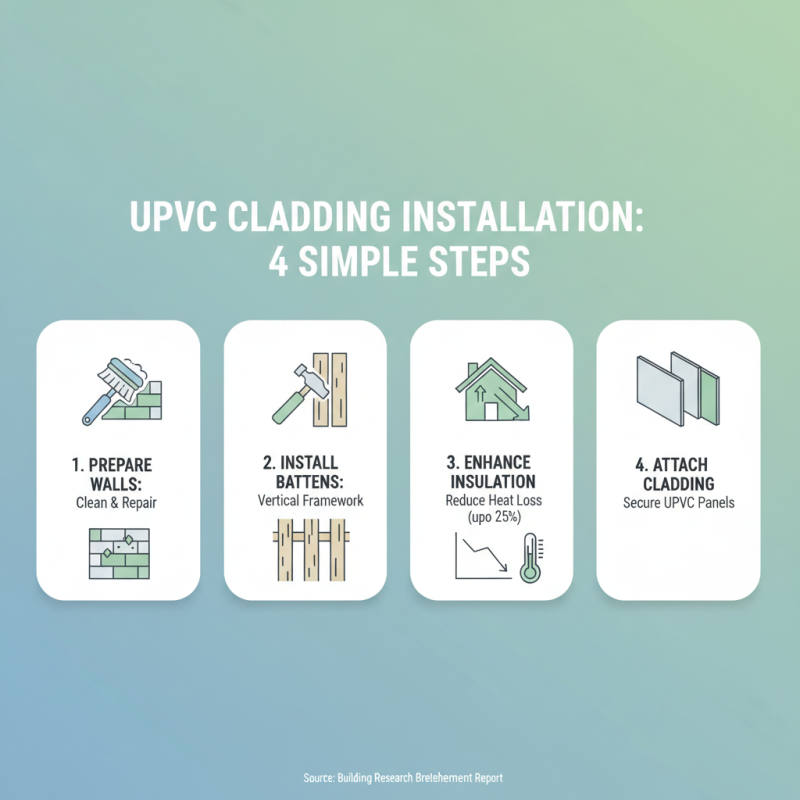
The installation of UPVC cladding is a straightforward process that can enhance the aesthetic appeal and durability of your home. To begin, it’s essential to prepare the external walls by cleaning and ensuring they are free of imperfections. According to a report by the Building Research Establishment, UPVC cladding can reduce energy loss by up to 25%, making it an attractive option for homeowners looking to improve insulation. Once the surface is prepared, install a framework of battens, providing a secure base for the cladding. These battens should be fixed vertically, spaced appropriately to support the cladding panels.
Next, the UPVC cladding panels can be cut to size and installed, starting from the bottom and working upwards. This method helps prevent water entry, thereby extending the lifespan of both the cladding and the structure beneath. A study by the British Plastics Federation indicates that UPVC cladding can last over 30 years with minimal maintenance, significantly reducing long-term costs. Ensure that the panels are secured tightly and aligned correctly using a spirit level for precision. Finally, finish the installation by sealing joints to further protect against the elements, ensuring that your home remains both stylish and functional for years to come.
Maintenance Tips for Long-lasting UPVC Cladding Performance
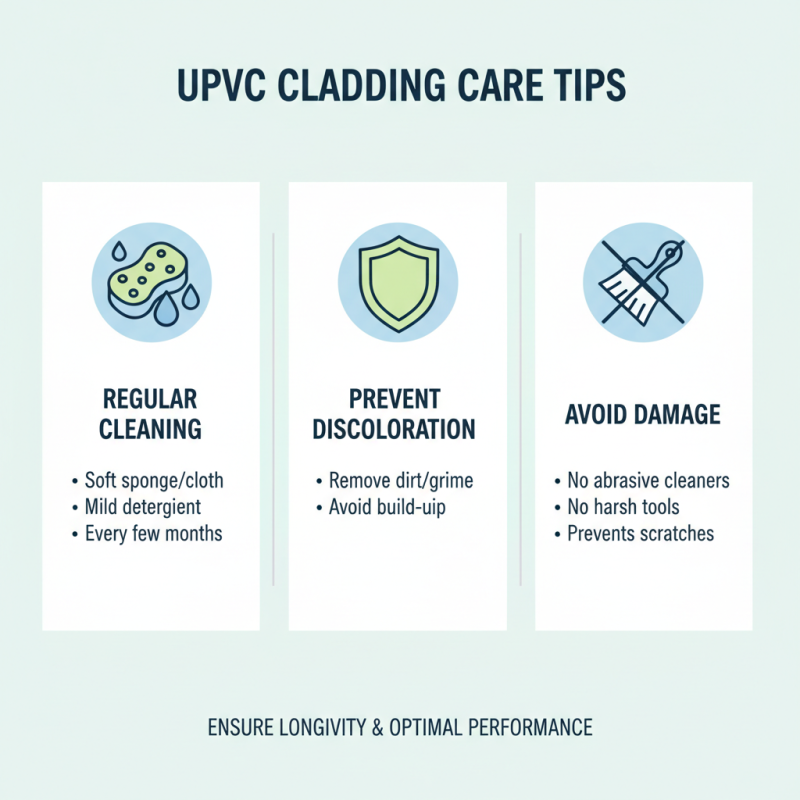
When it comes to maintaining UPVC cladding, a few simple tips can ensure its longevity and optimal performance. First and foremost, regular cleaning is essential. Using a soft sponge or cloth and a mild detergent to wipe down the surface every few months will prevent dirt and grime from accumulating, which can lead to discoloration over time. Avoid using abrasive cleaners or tools, as they can scratch the surface and compromise its appearance.
Another crucial aspect of UPVC cladding maintenance is inspecting for damage. Periodically check for any signs of wear, cracks, or loose panels. If you notice any issues, address them promptly to prevent further damage. Additionally, it's wise to keep an eye on the seals and joints. Ensure they are intact and functioning properly to prevent moisture ingress, which can lead to mold or structural damage.
Lastly, consider reapplying protective coatings if recommended by the manufacturer or installer. These coatings can enhance the cladding’s resistance to UV rays and environmental factors, helping to maintain its color and finish. By following these maintenance tips, you can enjoy the many benefits of UPVC cladding while ensuring it remains a beautiful and durable feature of your home for years to come.