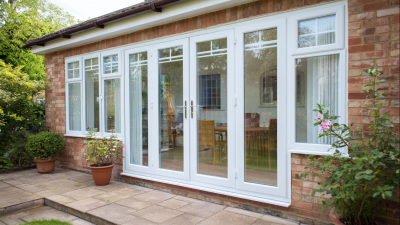
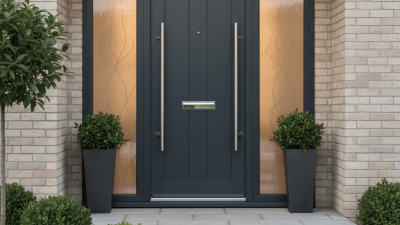
Top 10 Benefits of Using UPVC Doors for Your Home?
UPVC doors have become a popular choice for homeowners looking to enhance their properties. According to a report by the European PVC industry, UPVC doors can reduce energy costs by up to 30%. This is due to their excellent insulation properties and airtight seals. The durability of UPVC doors is another significant factor. They are resistant to rotting, corrosion, and fading, making them a long-lasting investment.
Moreover, a study by the British Board of Agrément indicates that UPVC doors can last over 30 years with minimal maintenance. This longevity adds to their appeal. However, not all UPVC products are created equal. Some may not meet energy efficiency standards, leading to potential drawbacks. Homeowners should research the quality of UPVC doors before making a decision.
In an age where sustainability matters, UPVC doors present an eco-friendly option. They are recyclable, reducing environmental impact. Therefore, balancing benefits and potential concerns is crucial. Overall, UPVC doors offer significant advantages, but informed choices lead to the best outcomes.
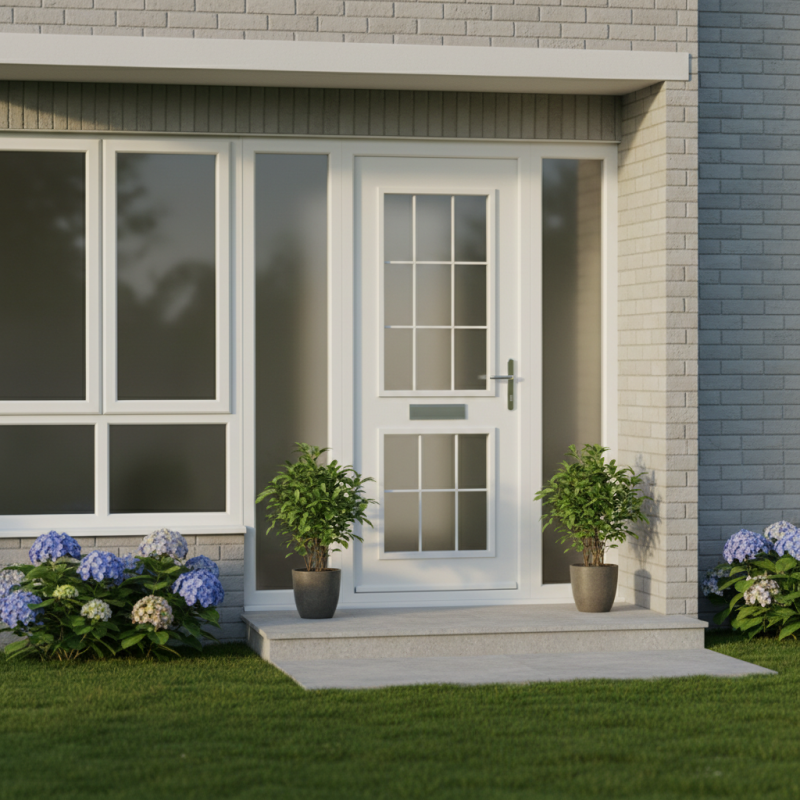
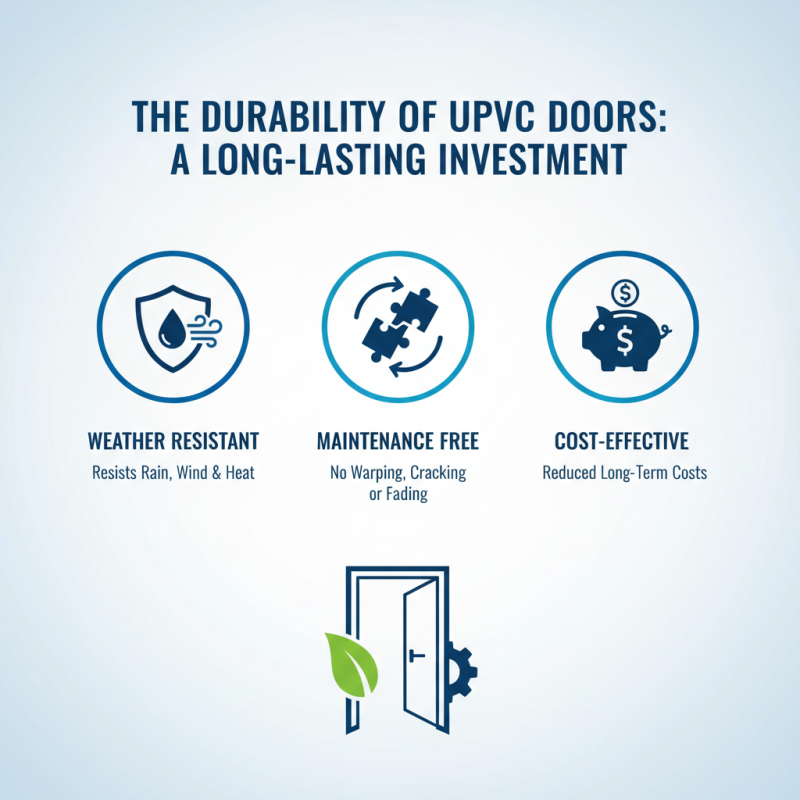
The Durability of UPVC Doors: A Long-Lasting Investment
UPVC doors offer remarkable durability, making them a wise investment for any homeowner. Unlike traditional wood, UPVC is less vulnerable to weather conditions. It resists warping, cracking, and fading, ensuring a long-lasting performance. You can rely on these doors to withstand intense rain, high winds, or scorching heat without losing their integrity. This resilience contributes to reduced maintenance costs over the years.
Another benefit lies in their energy efficiency. UPVC doors are designed with insulation in mind. They help maintain a stable temperature within your home. This can lead to decreased energy bills. It's worth noting that while the initial installation may be an investment, the long-term savings are often overlooked. However, not every door fits perfectly every time. Occasionally, homeowners might discover minor adjustments are needed after installation. Exploring these options can make a real difference in performance.
Energy Efficiency of UPVC Doors: Saving on Utility Bills
UPVC doors offer exceptional energy efficiency, significantly reducing your home's energy consumption. They are designed to provide excellent insulation, keeping your home warm in winter and cool in summer. This thermal efficiency translates directly to savings on your utility bills. Research shows that properly installed UPVC doors can reduce energy usage by up to 30%.
In addition to their insulation properties, UPVC doors create a tight seal that minimizes drafts. This airtight design helps prevent cold air from entering during the winter months. Many homeowners notice a substantial difference in comfort levels. You may find that rooms feel warmer, leading to less reliance on heating systems. However, not all installations are perfect. Regular maintenance and checks are necessary to ensure the doors sustain their efficiency over time.
Moreover, UPVC doors are often mistaken for being purely aesthetic. Their functional benefits sometimes take a back seat, overshadowed by their sleek designs. It's essential to remember that the most affordable option may not always be the best for energy savings. Homeowners should weigh both initial costs and long-term savings. This reflection can lead to smarter choices for sustainable living.
Low Maintenance Requirements: The Convenience of UPVC Doors
Low maintenance is one of the most appealing qualities of UPVC doors. Homeowners often dread the upkeep of traditional wooden doors. According to a study by the Building Research Establishment (BRE), UPVC doors can save up to 50% in maintenance costs over their lifetime compared to wood. No painting, no sanding, and no varnishing. Just a simple wipe down is all that is needed to keep them looking brand new.
Additionally, UPVC is resistant to warping and fading, making it an ideal choice for fluctuating climates. Many surveys show that over 70% of homeowners prefer materials that require minimal upkeep. This preference highlights a trend towards convenience in home improvement. The long-lasting nature of UPVC doors means that replacements are less frequent, reducing both costs and waste in the long run.
However, it is important to note that not all UPVC doors are created equal. Factors like quality can impact longevity and performance. Many experts recommend researching installation and material options, aiming for higher-quality products. Choosing a reputable installer can make a significant difference in ensuring proper maintenance and durability. While UPVC offers numerous advantages, awareness of potential shortcomings can guide better purchasing choices.
Top 10 Benefits of Using UPVC Doors for Your Home - Low Maintenance Requirements: The Convenience of UPVC Doors
| Benefit |
Description |
Maintenance Frequency |
Estimated Lifespan |
| Durability |
Resistant to harsh weather conditions and doesn't warp. |
Rarely |
Up to 30 years |
| Energy Efficiency |
Helps in retaining heat, reducing energy costs. |
Annually |
Up to 30 years |
| Security |
Built with multi-point locking systems for added safety. |
As needed |
Up to 30 years |
| Aesthetic Options |
Available in various designs and colors. |
As needed |
Up to 30 years |
| Weather Resistance |
Unaffected by rain, snow, or sun exposure. |
Rarely |
Up to 30 years |
| Fire Resistance |
Made from materials that are inherently fire retardant. |
As needed |
Up to 30 years |
| No Rusting |
Unlike metal doors, UPVC does not rust or corrode. |
Rarely |
Up to 30 years |
| Cost-Effectiveness |
Lower long-term costs due to durability and low maintenance. |
Annually |
Up to 30 years |
| Easy Cleaning |
Simple to wipe down with soap and water. |
Every few months |
Up to 30 years |
Aesthetic Versatility: Customizing UPVC Doors for Your Home
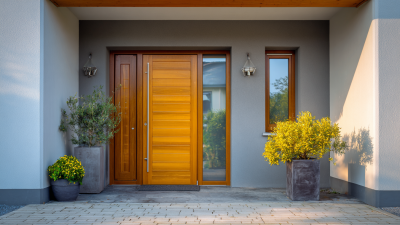
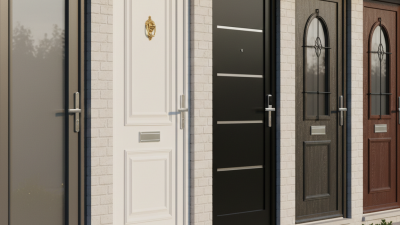
When it comes to upgrading your home's entrance, UPVC doors offer remarkable aesthetic versatility. They come in a range of colors and finishes, allowing homeowners to customize their appearance to complement any architectural style. Whether you prefer a modern look or a classic design, UPVC doors can be tailored to suit your taste. Adding decorative elements like glass panels or unique hardware can further enhance their appeal.
However, the customization process can sometimes be overwhelming. Choosing the right options requires careful consideration. It's essential to think about how color and style will blend with your home's existing features. A bold choice may stand out beautifully, but might not match well with traditional elements. Balancing design and functionality is crucial.
Another aspect to ponder is the long-term impact of your choices. While some styles may seem trendy now, they could become outdated in a few years. Therefore, opting for timeless designs might prove more beneficial in the long run. Investing time in research and reflection can lead to the perfect UPVC door that enhances both visual appeal and property value.
Enhanced Security Features of UPVC Doors: Protecting Your Home
UPVC doors have gained popularity for their robust security features, offering homeowners peace of mind. Research from the Home Office indicates that doors are the weakest entry points for burglars. UPVC doors provide superior strength compared to traditional wooden doors. Their multi-point locking systems make forced entry significantly harder. According to the Security Industry Authority, homes with multi-locking systems are 75% less likely to be broken into.
Another significant aspect is the durability of UPVC materials. They resist corrosion and warping, ensuring long-term performance. This resistance translates to enhanced security, as the integrity of the door frame remains intact over time. A study by the Building Research Establishment found that UPVC doors withstand impacts better than wooden counterparts. This resilience forms a vital barrier against potential intruders.
However, not all UPVC doors are created equal. Some entry-level options might lack advanced security features. Choosing a well-reviewed manufacturer that adheres to industry standards is crucial. Homeowners should also regularly check the functionality of their locks and hinges. Maintenance can significantly influence the overall security performance of UPVC doors.
Top 10 Benefits of Using UPVC Doors for Your Home