What is a metal channel drain grate and how to choose it?
When it comes to effective drainage solutions, metal channel drain grates play a crucial role. These grates not only facilitate water flow but also enhance the aesthetic appeal of spaces. Choosing the right grate can be overwhelming due to the variety of options available. Understanding the key features of metal channel drain grates is essential.
metal channel drain grates are designed for durability and efficiency. They are commonly used in driveways, patios, and commercial spaces. The right grate can prevent flooding and improve safety. However, the selection process requires careful consideration of material, size, and design. Each project may have unique needs that impact the choice.
It’s important to acknowledge that not all metal channel drain grates are created equal. Factors such as load capacity and rust resistance vary significantly between products. Buyers should evaluate their specific requirements to ensure a reliable solution. Reflecting on these aspects can lead to better long-term investments in drainage systems.
What is a Metal Channel Drain Grate?
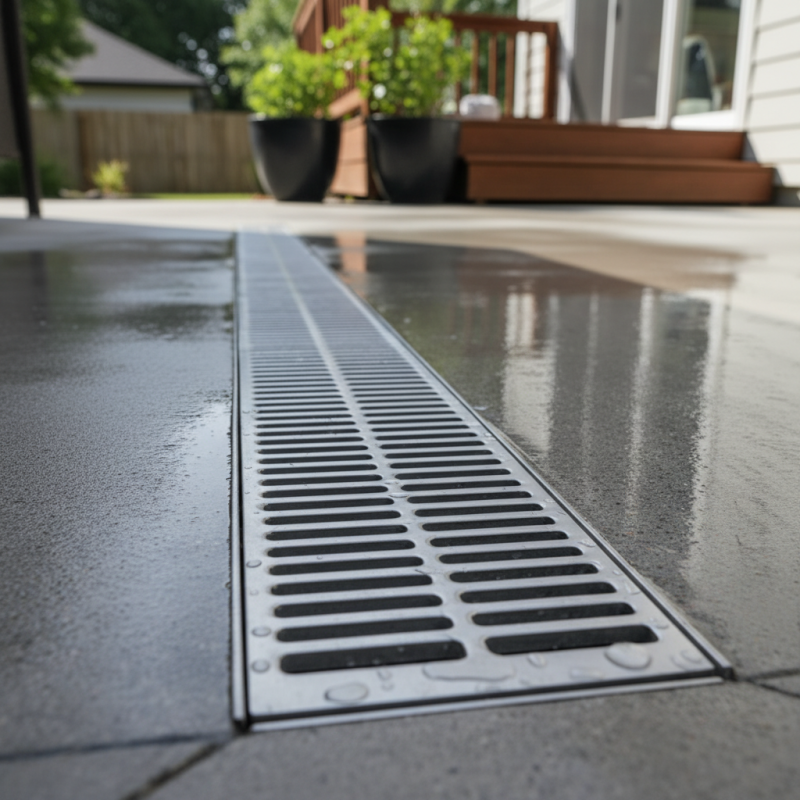
A metal channel drain grate serves a vital function in managing surface water. These grates are engineered to fit over drainage channels, allowing water to flow while filtering out debris. Common materials include stainless steel and cast iron, known for their durability and resistance to corrosion. According to industry reports, metal grates can withstand harsh environmental conditions, making them ideal for both residential and commercial use.
When choosing a metal channel drain grate, consider the load rating. Many grates have different ratings based on their intended use. For example, a grate used in a parking lot must support heavier loads than one used in a backyard. The choice of material also impacts the grate's lifespan. Stainless steel offers longevity, whereas cast iron might require periodic maintenance.
It is essential to be aware of installation requirements as well. An improper fit can lead to water pooling, increasing the risk of flooding. While many assume all metal grates perform equally, they vary significantly in design and functionality. Thus, it is vital to choose a product that meets specific needs and local regulations.
Metal Channel Drain Grate Options Comparison
This bar chart compares the load capacities of different metal channel drain grate materials. When choosing a drain grate, consider the load capacity suitable for your application.
Key Features of Metal Channel Drain Grates
Metal channel drain grates are essential for managing surface water in various environments. They are used in residential, commercial, and industrial settings. The key features to consider include material composition, load rating, and design. Stainless steel and aluminum are popular choices due to their durability and corrosion resistance.
Proper load rating ensures the grate can withstand traffic. For example, grates that support pedestrian loads typically have a rating of Class A or B. In contrast, grates for vehicular traffic should meet Class C or higher standards. The American Society for Testing and Materials (ASTM) sets these ratings for various applications.
Tip: Always assess the expected foot and vehicle traffic in your area. This will inform your choice of load rating.
Grate design impacts aesthetics and drainage performance. A slotted design can enhance water flow, while decorative options add visual appeal. It's important to strike a balance between functionality and style. Not all designs may work in every context, potentially leading to water pooling issues.
Tip: Research local case studies on drain installations. Understanding common pitfalls can help in making informed decisions.
Considering these factors ensures your channel drain grate effectively manages water while maintaining safety and appearance.
What is a metal channel drain grate and how to choose it? - Key Features of Metal Channel Drain Grates
| Feature | Description | Material Options | Load Capacity |
| Durability | Designed to withstand heavy loads and harsh weather conditions. | Stainless Steel, Galvanized Steel, Aluminum | Class A (up to 3.5 tons) to Class E (up to 12.5 tons) |
| Corrosion Resistance | Resistant to rust and degradation in wet environments. | Coated Steel, Stainless Steel | Varies with material type |
| Safety Features | Includes anti-slip textures and designs to prevent accidents. | Cast Iron, Aluminum | High Load Ratings |
| Aesthetics | Comes in various styles and finishes to complement surroundings. | Powder Coated Steel, Decorative Cast Iron | Dependant on design and application |
| Installation | Easy installation with proper drainage configurations. | Various metals with flexible installation options | Applicable load ratings post-installation |
Types of Metal Channel Drain Grates Available
Metal channel drain grates come in various types, each suited for specific applications. They are found in driveways, parking lots, and even residential areas. Grates can be made from different metals like stainless steel and cast iron. Each material offers unique benefits, including durability and resistance to corrosion.
For high-traffic areas, heavy-duty grates are essential. They can withstand the weight of vehicles and harsh weather conditions. On the other hand, decorative grates are ideal for aesthetic appeal in residential spaces. They often feature intricate designs that enhance outdoor landscapes.
Choosing the right grate involves considering the local environment and usage. A grate designed for drainage in a pool area may differ from one suited for a driveway. It's worth noting that selecting a grate that is too lightweight can lead to effective drainage issues. Hence, balancing aesthetics and functionality is crucial for optimal performance.
Factors to Consider When Choosing a Drain Grate
When selecting a metal channel drain grate, several key factors come into play. Material is essential. Stainless steel offers rust resistance and durability, while aluminum is lightweight yet sturdy. A grate must withstand heavy loads, especially if installed in driveways or pedestrian areas. Gauge thickness plays a significant role in overall strength. Thicker grates are more resilient, but they tend to be heavier and more expensive.
Design is another important consideration. Aesthetics matter, especially in public spaces. Look for grates with a design that complements the surrounding architecture. Moreover, the slot width needs attention. Narrow slots prevent debris buildup but can restrict water flow. Wider slots allow for better drainage but might let larger debris through.
Lastly, installation and maintenance cannot be overlooked. Some designs are easier to install than others. Consider how often the grate will need cleaning. A poorly designed grate may require frequent maintenance due to clogging. Balancing durability, aesthetics, and functionality is crucial for making the right choice. Each option can have its drawbacks, emphasizing the importance of thorough research and careful selection.
Installation and Maintenance Tips for Metal Channel Drain Grates
Metal channel drain grates are crucial for effective drainage in various settings. Their installation and maintenance are key to their performance. When choosing a grate, consider different aspects like material, size, and flow rate. Stainless steel offers rust resistance, while aluminum is lightweight and corrosion-resistant.
Before installation, prepare the area properly. Ensure the channel is level and free from debris. A solid base will improve the grate's stability. Secure it in place using the appropriate fasteners. Check the manufacturer's guidelines for specific details, as they can vary.
Maintenance is vital for longevity. Regularly clear leaves and debris from the grates. This prevents clogging and ensures proper water flow. Inspect for rust or damage, addressing issues promptly. Having a clean drainage system can minimize unwanted odors and pests. These tips will help maintain your metal channel drain grate efficiently.