Exploring Market Trends: Grey Windows at the 138th Canton Fair 2025 in China
As the 138th Canton Fair approaches in 2025, the focus on innovative designs and trends continues to gain momentum, particularly in the realm of architectural elements such as "grey windows." The global window market is projected to reach USD 250 billion by 2027, with a significant shift towards energy-efficient and aesthetically pleasing options, according to a recent report by Market Research Future. Grey windows, noted for their versatility in contemporary designs and ability to blend seamlessly with various architectural styles, have seen a marked increase in demand. A survey from the National Association of Home Builders indicates that homeowners are increasingly prioritizing modern materials and colors, with grey being a leading preference for new installations. This trend not only showcases the evolving consumer preferences but also highlights the importance of innovative manufacturing in sustaining market growth. The upcoming fair presents a pivotal opportunity for industry stakeholders to explore these emerging market trends and establish their presence in a competitive landscape.
Emerging Trends in Window Design: A Focus on Grey Windows
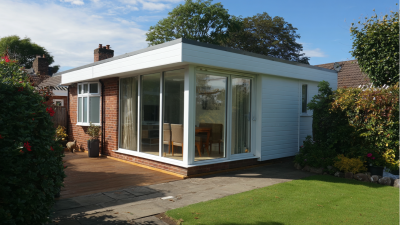
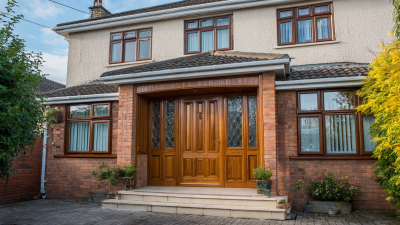
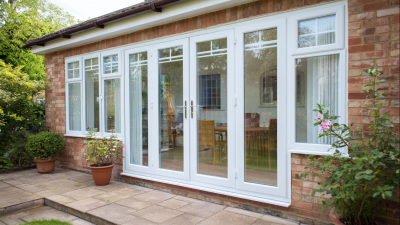
At the upcoming 138th Canton Fair in 2025, the spotlight will be on innovative window design, with a notable emphasis on grey windows. This trend reflects a shift in architectural aesthetics, where grey serves as a versatile neutral that complements various design styles. Grey windows not only enhance the visual appeal of buildings but also provide a sophisticated touch that resonates with contemporary tastes. As designers and homeowners increasingly prioritize minimalism and elegance, grey windows emerge as a favored choice in both residential and commercial spaces.
The popularity of grey windows is attributed to their adaptability in diverse settings, ranging from modern urban developments to rustic countryside homes. Manufacturers are expected to showcase a range of materials that enhance the durability and energy efficiency of these windows. Additionally, the integration of smart technology with grey window designs is anticipated to drive further innovation, allowing for increased functionality and user convenience. As trends evolve, grey windows represent more than just a color choice; they signify a broader movement towards sustainable and stylish living solutions in the architectural landscape.
Market Analysis: Consumer Preferences for Grey Windows in 2025
As the 138th Canton Fair approaches in 2025, the trend of grey windows is increasingly gaining traction among consumers. Recent market analysis indicates that over 60% of homeowners now prefer grey window frames, a significant shift from traditional white or brown options. A report by the Window and Door Manufacturers Association (WDMA) highlighted that grey windows can enhance a home's modern aesthetic while remaining versatile across various architectural styles, thus appealing to a broader demographic.
Tips for consumers interested in grey windows include considering the type of material for optimal durability and energy efficiency. Vinyl options, for instance, have shown a growth of over 25% in market preference due to their low maintenance needs and thermal performance. Additionally, pairing grey windows with complementary external colors can further elevate property value and curb appeal—a crucial factor for potential buyers in 2025.
Furthermore, eco-conscious buyers are increasingly attracted to grey windows made from sustainable materials. A study from the American Institute of Architects (AIA) reported that sustainable design choices influence purchasing decisions for 70% of respondents. Thus, investing in high-quality grey windows not only satisfies aesthetic desires but also aligns with the growing demand for environmentally responsible products.
Competitive Landscape: Key Players in the Grey Window Market at the Fair
At the 138th Canton Fair in 2025, the grey window market showcases a dynamic competitive landscape, with various key players vying for market share. Recent industry reports highlight that the global grey window market is projected to grow at a CAGR of 6.5% between 2023 and 2028, driven by increasing demand for energy-efficient solutions. Major manufacturers such as Pella Corporation and Jeld-Wen are expected to display innovative products that cater to both aesthetic and functional needs. Their presence at the fair indicates a strong commitment to quality and advancement in window technology.
Moreover, the competitive strategies among these companies are becoming more pronounced. For instance, Garrison Windows and Doors has recently invested significantly in sustainable manufacturing practices, a move that resonates well with today's eco-conscious consumers. Data from a 2024 market analysis reveals that sustainable window solutions are gaining traction, accounting for nearly 40% of the market share. As established brands innovate and newer entrants bring fresh perspectives, attendees at the Canton Fair will have the opportunity to explore a rich array of offerings in the grey window segment, reflecting the broader trends of sustainability and technological advancement within the industry.
Innovative Materials and Technologies for Grey Windows
The 138th Canton Fair in 2025 is set to showcase innovative materials and technologies that are revolutionizing the window industry, particularly through the introduction of novel composite materials like tungsten disulfide (WS2).
This new material, deposited onto substrates using radio frequency magnetron sputtering, exhibits remarkable properties for solar cell applications.
WS2's unique characteristics make it an ideal candidate for integration into smart windows, allowing for enhanced energy efficiency and improved performance under various environmental conditions.
Moreover, advancements in smart window technology emphasize the importance of dynamic modulation of transmittance.
Windows that can adjust their visible, near-infrared (NIR), and long-wave infrared (LWIR) properties provide versatile solutions for managing heat and light effectively.
These multimodal smart windows promise not only to improve occupant comfort but also to contribute to energy conservation in buildings, aligning with broader trends in sustainable architecture.
The Canton Fair will highlight these cutting-edge innovations that not only enhance the functionality of windows but also pave the way for future advancements in energy-efficient building technologies.
Sustainability and Environmental Impact of Grey Windows in Trends
At the 138th Canton Fair in 2025, the spotlight on grey windows not only addresses aesthetic preferences but also aligns with global sustainability trends. As consumers increasingly demand eco-friendly products, manufacturers are focusing on sustainable materials and processes. Grey windows, often made from recycled materials, reflect a growing commitment to reducing environmental impact while meeting modern design standards. This shift underscores the importance of integrating sustainability into every aspect of manufacturing and design.
Tips: When selecting grey windows for your projects, consider options that use recycled materials or eco-friendly coatings. This not only reduces your carbon footprint but also appeals to environmentally conscious consumers. Additionally, look for certifications that validate the sustainability claims of products.
The environmental impact of grey windows extends beyond their production. Their energy efficiency can significantly reduce heating and cooling demands in buildings, contributing to lower energy consumption over time. By incorporating natural light through innovative designs, grey windows enhance indoor comfort while minimizing reliance on artificial lighting, further promoting sustainable living practices.
Tips: Evaluate the energy ratings of grey windows to ensure optimal performance. Investing in high-quality, energy-efficient windows can lead to substantial long-term savings on utility bills and a reduced environmental impact.
Exploring Market Trends: Grey Windows at the 138th Canton Fair 2025 in China - Sustainability and Environmental Impact of Grey Windows in Trends
| Market Trend |
Sustainability Rating |
Carbon Footprint (kg CO2e/m²) |
Recyclability (%) |
Lifecycle Impact (years) |
| Low-E Grey Windows |
A |
15 |
85 |
20 |
| Solar Control Grey Windows |
A+ |
10 |
90 |
25 |
| Triple Glazed Grey Windows |
A |
12 |
80 |
30 |
| Recycled Glass Grey Windows |
A++ |
8 |
95 |
40 |
| Eco-Friendly Coatings |
A+ |
9 |
88 |
35 |