How to Choose the Best UPVC Back Doors for Your Home?
Choosing the right UPVC back doors is crucial for any homeowner. Expert David Smith, a leading figure in the home improvement industry, emphasizes, “The right door can transform your space and enhance security.” UPVC back doors combine practicality with aesthetics, making them a popular choice.
When selecting UPVC back doors, consider factors such as design, security features, and energy efficiency. The market offers diverse options, but not every choice suits every home. Color and finish play significant roles in overall appeal. A brighter color can make your home more welcoming. However, some find it easy to overlook the importance of these details.
Yet, the quest for the perfect door can spotlight misunderstandings. Buyers often prioritize price over quality. This mindset can lead to regret down the line. Understanding the long-term benefits of investing in high-quality UPVC back doors is vital. Reflecting on choices now can save frustration later.
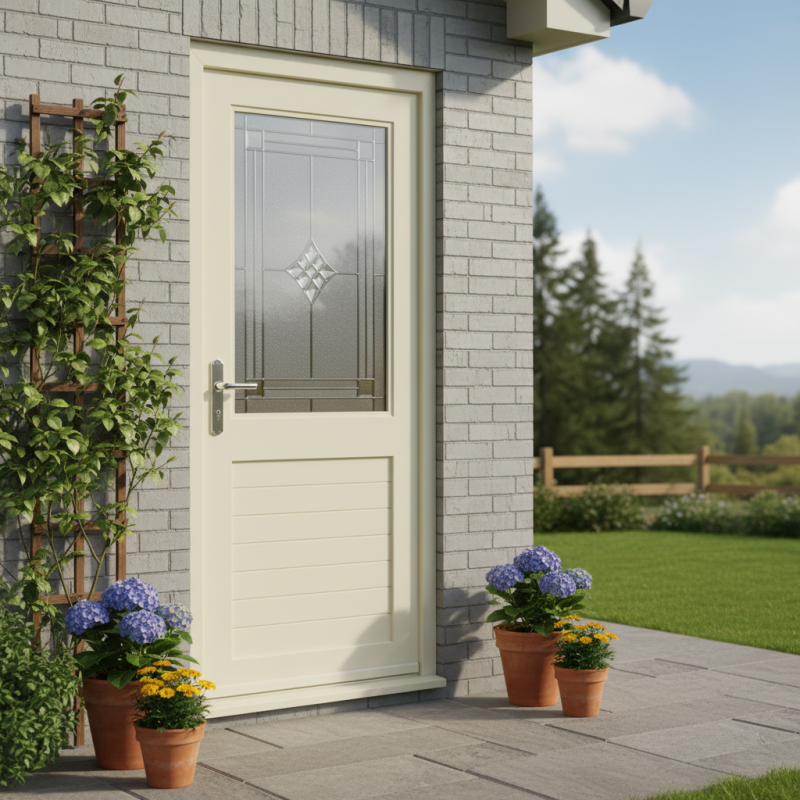
Benefits of UPVC Back Doors in Modern Homes: Durable and Energy Efficient
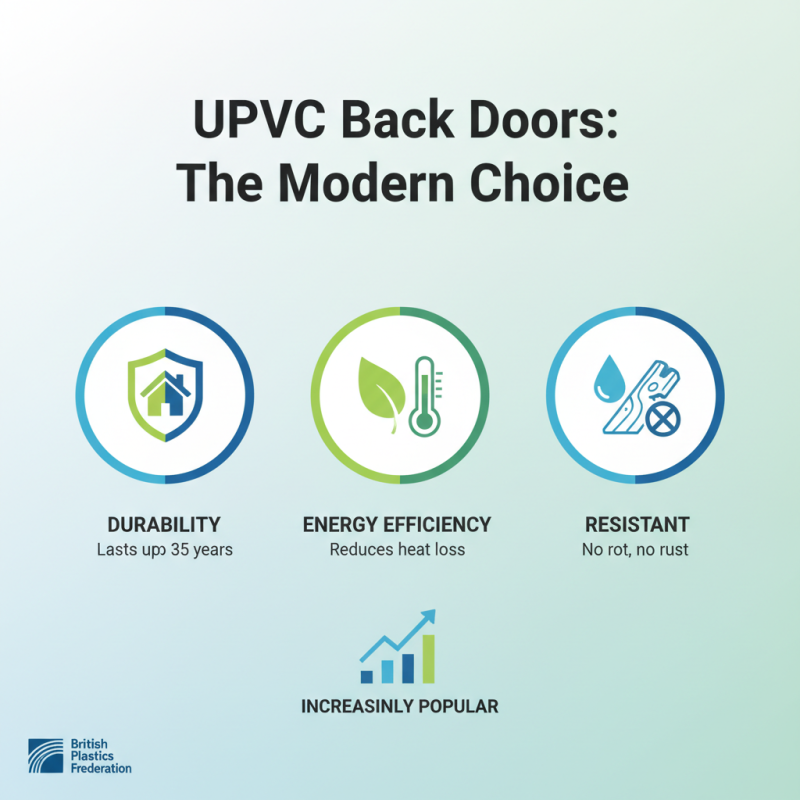
UPVC back doors are becoming increasingly popular in modern homes. They are recognized for their durability and energy efficiency. According to a report by the British Plastics Federation, UPVC can last up to 35 years without significant wear. This material is resistant to corrosion and won’t rot like wood. Many homeowners prefer these doors for their long-lasting nature.
Energy efficiency is another key benefit. A study by the Energy Saving Trust highlights that homes with UPVC doors can reduce heat loss significantly. Using double glazing, these doors can cut heating costs by up to 20%. They help maintain consistent indoor temperatures and lower energy bills. However, some people overlook the importance of proper installation. A poorly installed door can diminish these benefits.
While UPVC doors are strong, they might not suit every aesthetic preference. They come in a limited color range compared to wooden doors. Homeowners may feel challenged when trying to match their home’s style. Different textures are available, but some may still find them less appealing than natural materials. Choosing the right UPVC back door requires careful consideration of both functionality and design.
Key Features to Look for in UPVC Back Doors: Security and Insulation Ratings
When choosing UPVC back doors,
security ratings
are crucial. A high security rating can deter intruders effectively. Research shows that doors with a rating above RC3 can withstand forced entry better than lower-rated options. Many experts recommend these robust specifications. Look for multi-point locking systems. These offer added security by anchoring the door at multiple points.
Insulation is another vital aspect. UPVC doors can significantly improve energy efficiency. According to industry reports, doors with an Energy Rating Certificate of A or higher can save homeowners up to 20% on heating costs. This is an essential factor. Poorly insulated doors can lead to heat loss and higher energy bills. Investigate U-values, which indicate thermal performance. A U-value below 1.6 W/m²K is ideal for insulation.
Consider the thickness and material quality as well. Thicker doors tend to be more secure and energy-efficient. However, some cheaper options might compromise on quality, leaving gaps. It's important to balance budget with these critical features. Don't overlook the importance of good installation as well. Even the best door can fail if not fitted properly.
Understanding UPVC Door Aesthetics: Styles and Color Options Available
Choosing the right UPVC back door for your home requires careful thought about aesthetics. Colors play a significant role in your home’s overall look. A vibrant red door can create a bold statement, while a soft pastel shade offers a subtle charm. Consider how the color contrasts or complements the exterior of your home. Popular choices like white or cream provide a classic feel. But maybe you seek something different?
Styles also vary widely with UPVC back doors. Traditional designs often feature paneled sections and detailed glazing. Conversely, modern styles embrace minimalism, often with large glass areas for maximizing light. It’s essential to visualize how each style fits into your home's architecture. What looks good in a photo might feel different in real life. Think about your home’s character and your personal taste, too.
Don't overlook the little details. Handle styles, lock colors, and hardware finishes can make a big difference. A sleek, stainless-steel handle can add a touch of sophistication. On the other hand, a painted option might not withstand the test of time as well. Reflect on your lifestyle as well. A family with kids may need something more durable than a single-pane design. Balancing functionality and beauty may seem challenging, but it’s worth the effort.
Comparing Costs: UPVC Back Doors vs. Traditional Wooden Alternatives
When deciding between UPVC back doors and traditional wooden options, cost is a significant factor. UPVC doors generally range from $300 to $1,000, while wooden doors can cost anywhere from $500 to $2,500. This price disparity stems from material durability and maintenance needs. UPVC is resistant to rot and does not require painting, reducing long-term expenses.
Another point to consider is the lifespan. A report by the National Association of Realtors indicates that UPVC doors can last over 30 years. In contrast, wooden alternatives may only last 15 to 20 years before requiring replacements. This shorter lifespan influences overall spending when calculating future costs.
Homeowners should also think about energy efficiency. UPVC doors often feature superior insulation, which can reduce heating bills. The potential energy savings can offset initial costs over time. However, some consumers find the aesthetics of wood more appealing, leading to tough, emotional decisions. These factors should be carefully weighed, making the process less straightforward than anticipated.
Cost Comparison of UPVC Back Doors vs. Traditional Wooden Alternatives
Maintenance Tips for Ensuring Longevity of Your UPVC Back Doors
Maintaining UPVC back doors is crucial for their longevity. Regular upkeep can prevent costly repairs later. Make it a habit to clean the surface with mild soap and warm water. This simple step removes dirt and grime without cause damage. Gritty cleaners can scratch the surface, so avoid them.
Inspect the seals regularly. Look for any cracks or tears. Damaged seals can lead to drafts and energy loss. If you find any issues, consider replacing the seals promptly. Lubricate the hinges at least twice a year. A little oil keeps everything moving smoothly.
Check the door alignment. If it starts to stick, adjustments may be needed. Misalignment puts stress on the frame. This can shorten the door's lifespan. Always address small issues before they escalate. A quick fix now can save time and money later.
How to Choose the Best UPVC Back Doors for Your Home? - Maintenance Tips for Ensuring Longevity of Your UPVC Back Doors
| Feature |
Importance |
Maintenance Tips |
| Energy Efficiency |
Reduces heating costs |
Check seals regularly for wear and tear |
| Security Features |
Enhances home safety |
Install upgraded locks and multi-point locking systems |
| Aesthetic Appeal |
Improves home exterior |
Clean regularly and repaint as needed |
| Durability |
Long-lasting investment |
Avoid harsh chemicals; use mild soap instead |
| Customization Options |
Tailored to fit your style |
Consider adding decorative glass options or colors |