How to Choose the Best Folding Door for Your Home?
Selecting the right Folding Door for your home can transform your living space. According to a recent report by the Door and Window Manufacturers Association, the folding door market is projected to grow by 20% in the next five years. This trend highlights the increasing popularity and innovation in folding door designs. Expert Richard Gray, a leading architect, notes, “A carefully chosen folding door can enhance both aesthetics and functionality.”
When choosing a folding door, consider the materials. Options like aluminum, wood, and vinyl each have unique pros and cons. For instance, while aluminum is durable, it may not offer the warmth of wood. The choice should reflect your style and practical needs. Furthermore, it's crucial to assess the space dimensions. A folding door that doesn't fit well can disrupt the flow of your home.
The installation process is another vital factor. Misalignment can lead to issues over time, increasing maintenance costs. Many homeowners overlook this detail, leading to regret later. Take time to research and consult with professionals. Inadequate planning may result in a decision you might reconsider down the road. Exploring all these aspects will help you select the best folding door for your home.
Factors to Consider When Choosing a Folding Door
When selecting a folding door, several factors should guide your choice. One key aspect is the material. Solid wood offers charm but may warp over time. Aluminum is durable and low-maintenance but can feel cold. Consider your climate, as professionals suggest that flexible materials perform better in areas with extreme weather changes. A recent survey indicated that over 65% of homeowners prioritize material durability in their decisions.
Another crucial factor is the door's size and configuration. It must fit your space correctly. Measuring the opening accurately is essential. An improperly sized door can lead to operational issues. Industry experts report that 30% of folding door installations face complications due to miscalculations. Aesthetics also matter. The door should complement your home’s design. Choose a style that reflects your taste while ensuring it doesn’t clash with existing decor.
Lastly, think about functionality and ease of use. Folding doors should glide smoothly. A door that sticks can become a source of frustration. A study indicated that nearly 25% of folding doors experience operational issues within the first year. Homeowners sometimes overlook the importance of simple maintenance features. Ensure you’re aware of the upkeep involved with your choice, as this can impact long-term satisfaction.
Different Types of Folding Doors for Home Applications
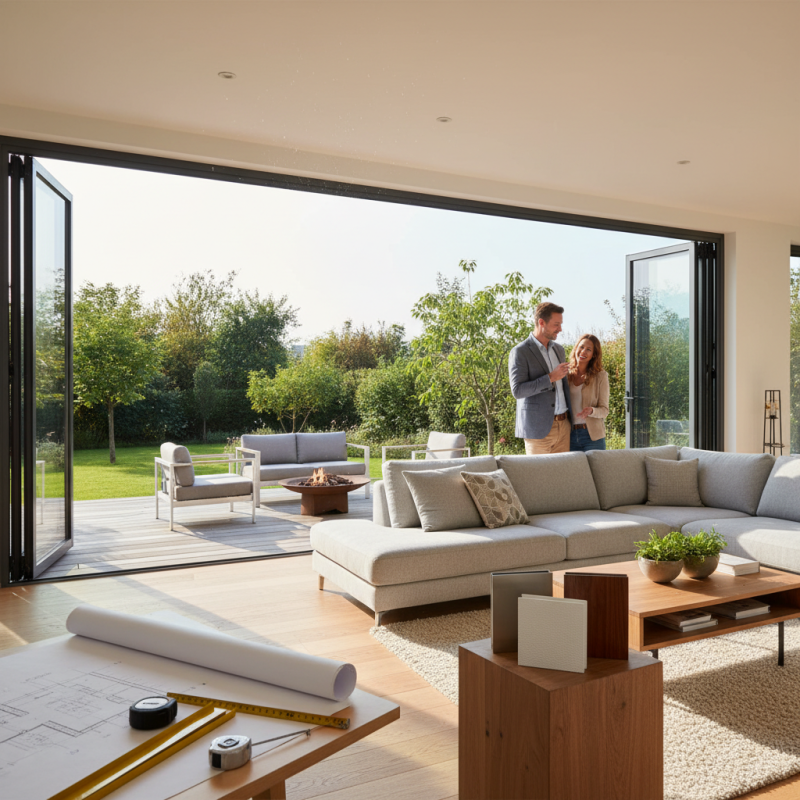
When considering folding doors for home applications, it’s essential to understand the types available. Bi-fold doors are popular for their seamless indoor-outdoor transition. They open up wide, creating an expansive feel. According to industry reports, 58% of homeowners prefer these for living spaces. However, the hardware may require ongoing maintenance.
Another option is multi-slide doors. These provide a modern aesthetic with panels gliding into a pocket. The flexibility they offer is appealing, yet they often come with a higher price tag. Data shows that 32% of homeowners see this type as a long-term investment, despite initial costs.
Accordion doors can be a cost-effective choice. These doors fold to one side, saving space in narrower areas. However, they may not provide the same insulation quality as other options. Indeed, while they are budget-friendly, 40% of users report dissatisfaction with noise reduction. It's key to weigh space needs and aesthetics against functionality when choosing the right folding door for your home.
How to Choose the Best Folding Door for Your Home? - Different Types of Folding Doors for Home Applications
| Type of Folding Door | Material | Best Suited For | Advantages | Disadvantages |
| Bi-Fold Doors | Aluminum, Wood | Living Rooms, Patios | Maximize natural light, Expand space | Higher cost, Requires more space to open |
| Accordion Doors | PVC, Vinyl | Closets, Room Dividers | Space-saving, Lightweight | Less durable, Limited sound insulation |
| French Folding Doors | Wood, Fiberglass | Dining Rooms, Lounges | Classic appearance, Good insulation | Heavy, Can be expensive |
| Sliding Folding Doors | Aluminum, Glass | Open-plan spaces | Modern look, Easy to operate | Requires a track system, Limited space opening |
Material Options for Folding Doors: Pros and Cons
When choosing folding doors, material plays a crucial role. There are several options available, each with its pros and cons. For instance, wood offers natural beauty and warmth. However, it requires more maintenance. It can warp or crack in humid environments. This can be frustrating.
Aluminum is another popular choice. It is lightweight and strong. Aluminum doors are resistant to rust and easy to clean. However, they can be less energy-efficient without proper insulation. Consider where you live. This can help determine if aluminum suits your needs.
Tips: Look for energy-efficient designs. They can save you money on heating and cooling. Don’t forget to consider your personal style. Choosing the right door can enhance your home’s aesthetic. You may also want to reflect on how these doors will function daily. This decision impacts your space usage.
How to Measure Your Space for a Folding Door Installation
Measuring your space accurately is crucial for a successful folding door installation. Begin by determining the width of the opening where the door will be. Use a tape measure and take precise measurements from wall to wall. Make sure to note any irregularities. Measure at the top, middle, and bottom of the opening; this will help ensure you account for differences in wall alignment.
Next, consider the height of the space. Measure from the floor to the top of the opening. It’s important to include any molding or trim that might affect the final fit. If your floor is uneven, think about how that might impact the door’s operation. A slight mistake in measuring could lead to gaps or misalignment later on.
Additionally, think about the clearance space. Folding doors require room to operate smoothly. Leave ample space for the door panels to fold and slide without obstruction. Sometimes, unexpected issues arise, like light switches or furniture placement interfering with the installation. Planning for these details can save you time and frustration. Careful planning makes a significant difference in achieving a well-fitted folding door.
How to Choose the Best Folding Door for Your Home?
This chart represents the average customer preferences for different types of folding doors based on style, material, and insulation effectiveness. The data reflects a survey conducted among homeowners considering folding doors.
Installation and Maintenance Tips for Folding Doors
When installing folding doors, proper attention to detail is crucial. Ensure that the space for the door is level and clean. According to industry reports, improper installation can lead to a 30% increase in wear and tear on door tracks. This can cause doors to misalign and be difficult to operate. Proper anchoring of the tracks also ensures longevity. Regularly check the alignment of your doors, as even slight misalignments can cause functional issues.
Maintenance of folding doors should include regular cleaning. Industry data suggests that dust and debris can reduce the lifespan of door mechanisms by up to 25%. Use a soft cloth and mild detergent to clean the surfaces. Also, lubricate the hinges and tracks every few months. Check for any signs of rust or damage. Many homeowners forget to inspect these areas, leading to expensive repairs. Keeping a maintenance schedule is crucial for preventing issues. Even minor concerns can escalate if neglected.