How to Choose the Best Composite Front Doors for Your Home?
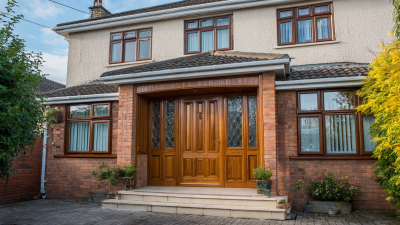
When selecting the best composite front doors for your home, it's essential to understand the options available. John Smith, a renowned expert in home design, emphasizes, "A front door is the first impression of your home." This statement highlights the importance of choosing the right door.
Composite front doors blend aesthetics with durability. They offer the warmth of wood while resisting the elements. Their energy efficiency can also enhance your home's comfort. Many homeowners appreciate that these doors require less maintenance than traditional wood doors.
However, the market is flooded with choices. Some doors may look stunning but lack sturdiness. It's vital to consider not just appearance but also material quality and insulation properties. Reflecting on your needs and preferences will lead to a better decision on the composite front doors suitable for your home.
Understanding Composite Front Doors: Materials and Benefits
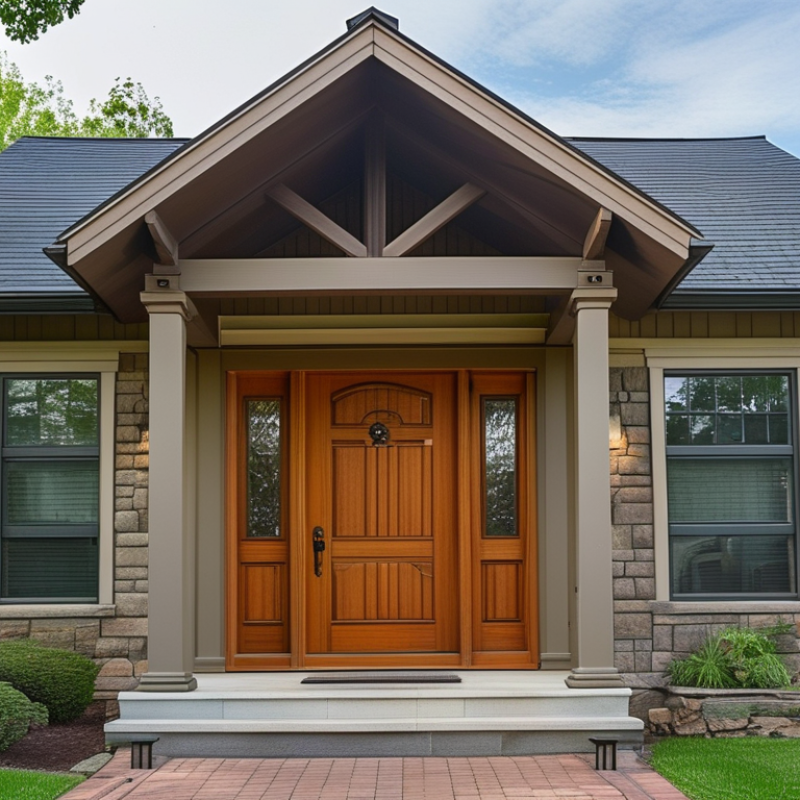
Composite front doors offer a blend of materials designed for durability and aesthetic appeal. These doors often include a mix of wood, PVC, and fiberglass, creating a robust structure that resists warping and cracking. The multi-layer design provides superior insulation, which can enhance energy efficiency in your home. With various finishes available, these doors can mimic the look of real wood while requiring less maintenance.
Benefits of composite front doors extend beyond mere aesthetics. They are resistant to fading, scratching, and weather damage. This reliability can save homeowners from frequent repairs or replacements. However, it’s essential to consider the installation process. A poorly installed door can compromise security and energy efficiency. Ensuring professional installation can make a significant difference.
While composite doors are an excellent choice for many, they might not suit every home. Some users report concerns about the weight of these doors. Heavier doors can strain hinges and frames over time. It’s crucial to weigh aesthetics against functionality when making a decision. Proper research and reflection on your specific needs can lead to a satisfactory choice.
Composite Front Doors: Material Preferences and Benefits
This chart showcases the preference percentages for different composite front door materials. Fiberglass leads in popularity due to its durability and insulation properties, while steel, wood composite, and vinyl follow. Understanding these preferences can aid in making the best choice for your home.
Evaluating Design Options: Styles and Colors for Your Home
Choosing the right colors and styles for composite front doors can be an enjoyable yet challenging task. With so many options available, narrowing them down to what suits your home's architecture and personality is essential. According to the 2021 Remodeling Impact Report, 95% of homeowners believe that their home's curb appeal is essential. Selecting a cohesive style can greatly enhance that appeal.
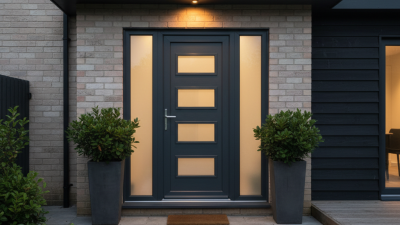
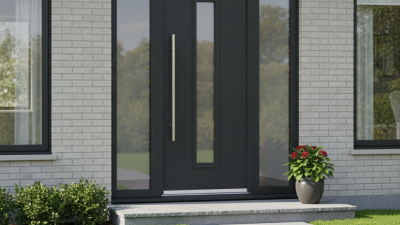
Consider your home's existing color palette when choosing a door. If your walls are light, a bold door color can create stunning contrast. For instance, a deep navy or rich burgundy can add sophistication. Many experts recommend neutral tones like gray or taupe for a modern look. These colors typically blend well with various exterior hues, making them versatile choices.
To make the best decision, visualize how different styles can transform your entrance. Traditional doors with panel designs often work well with classic homes, while sleek, contemporary styles may suit modern architecture. A design report from the National Association of Home Builders shows that 63% of homeowners prefer a classic aesthetic. Yet, it's important to avoid styles that clash with your home's character. Reflect on what design resonates with you and your neighborhood. Personal comfort should guide your choices.
Assessing Durability: Weather Resistance and Maintenance Needs
When selecting composite front doors, assessing their durability is crucial. One key factor is weather resistance. A door that withstands rain, snow, and temperature fluctuations can last longer. It's important to check the materials used in the door's construction. High-quality composites can resist warping and fading. They offer better protection against the elements.
Maintenance needs also play a significant role. Some composite doors require regular cleaning to maintain their appearance. Others may need occasional sealing to enhance their durability. The effort you’re willing to put into maintenance can impact your choice. Opt for doors that require minimal upkeep if you prefer convenience.
Consider the local climate when making your selection. Areas with high humidity or extreme temperatures may demand more from your front door. Think about whether the door will need replacement sooner rather than later. A poorly chosen door can lead to drafts or moisture issues. This might not be apparent at first but can result in higher energy costs and more repairs. Choose wisely to ensure comfort and longevity.
Security Features: Locking Mechanisms and Strength Ratings
When choosing composite front doors, security features are paramount. Locking mechanisms vary greatly, with options such as deadbolts and multi-point locks available. Each mechanism provides a different level of security, and understanding their strengths can guide your choice. A sturdy deadbolt, for instance, can deter intruders, but it must be installed correctly to be effective.
Strength ratings also play a crucial role in door selection. Look for doors with high ratings in impact resistance and weather durability. These ratings indicate how well a door can withstand forced entry and environmental conditions. However, not all manufacturers clearly present this information, making it necessary for homeowners to do thorough research. Consider checking independent assessments or certifications that validate strength claims.
While you might feel overwhelmed by choices, remember that perfection isn't always the goal. A door that combines good materials with reliable security features is a strong contender. Prioritize what matters most for your home, be it aesthetics or safety. Reflect on your needs and make an informed decision that meets your security expectations.
Cost Considerations: Budgeting for Quality Composite Doors
When budgeting for composite front doors, it's crucial to consider various factors that affect overall costs. According to the National Association of Home Builders, the average cost of a composite front door ranges from $1,300 to $2,700, depending on design and features. Investing in higher-quality materials can lead to better energy efficiency. A report by the U.S. Department of Energy emphasizes that well-insulated doors can reduce heating and cooling costs by up to 20%.
You might find it tempting to choose the cheapest option. However, sacrificing quality can lead to issues like poor insulation or security vulnerabilities. Research indicates that homeowners spend an average of $200 annually on door maintenance. Choosing a durable composite door can minimize these expenses over time. Many experts suggest evaluating your long-term plans and budget before making a decision.
In conclusion, selecting the right composite front door is a balance between immediate costs and future savings. While it’s easy to focus only on upfront prices, reflect on potential long-term benefits, including resale value. The right choice could provide significant advantages regarding energy efficiency and aesthetic appeal.
Cost Considerations: Budgeting for Quality Composite Doors
| Door Style |
Average Cost ($) |
Warranty Period |
Energy Efficiency Rating |
Customization Options |
| Single Door |
$1,200 |
10 years |
Energy Star Certified |
Yes |
| Double Door |
$2,200 |
10 years |
Energy Star Certified |
Yes |
| French Door |
$2,500 |
10 years |
Energy Star Certified |
Yes |
| Panel Door |
$1,800 |
15 years |
Energy Star Certified |
Limited |
| Custom Design Door |
$3,000 |
Lifetime |
Energy Star Certified |
Extensive |