How to Choose the Right Window and Door for Your Home?
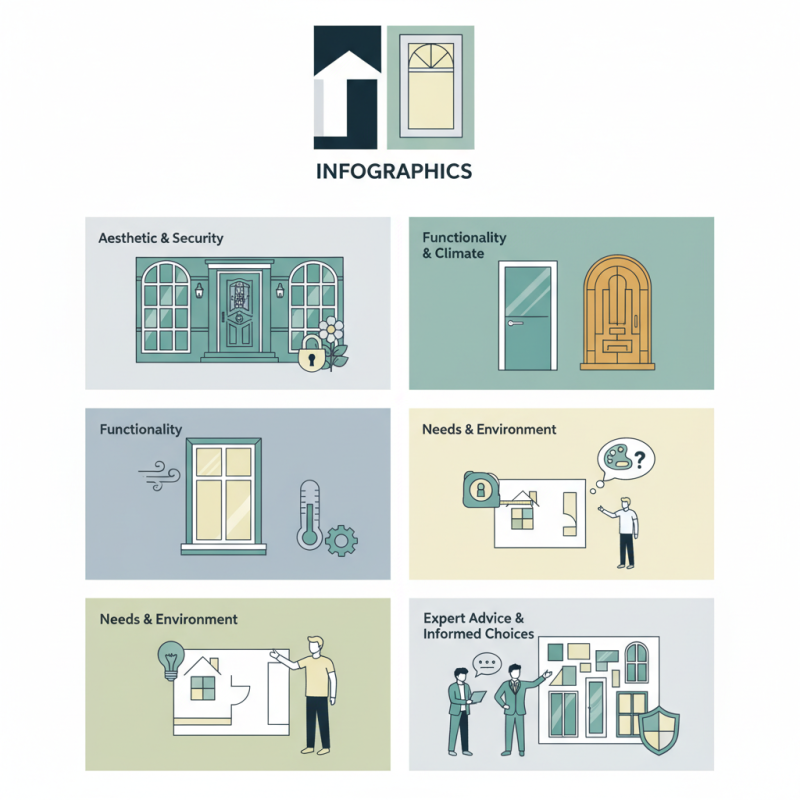
When it comes to enhancing your home's aesthetic and security, choosing the right window and door is crucial. Michael Anderson, a renowned expert in the Window & Door industry, once said, “The right choice can transform your home in both function and beauty.” Many homeowners overlook the importance of this decision, leading to regret down the line. A simple mistake can impact energy efficiency, safety, and even resale value.
Selecting windows and doors isn’t just about style. Functionality matters too. Different climates require different materials and designs. For example, those living in windy areas should consider sturdy frames. Meanwhile, a modern design could disrupt a classic home’s harmony. It’s vital to balance beauty with practicality. Homeowners often find themselves overwhelmed by choices, leading to indecision.
Reflecting on your needs and environment is essential. Measure your spaces carefully. Take note of trends, but stay true to your personal taste. Sometimes, it’s okay to seek professional advice. Engage with experts and discuss your ideas. They can provide invaluable insights into the Window & Door solutions that best suit your home. Make informed choices to ensure your investment is worthwhile for years to come.
Understanding Different Types of Windows and Doors Available in the Market
When choosing windows and doors, it's crucial to understand the various types available. Windows come in styles such as double-hung, casement, and slider. Each has its benefits. Double-hung windows are versatile and allow for easy cleaning. Casement windows are great for ventilation. Slider windows work well in small spaces.
Doors also have different options. Entry doors are available in fiberglass, wood, or steel. Each material offers unique advantages. Fiberglass can resist dents and is energy-efficient. Wood doors provide classic beauty, but they require maintenance. Steel doors are durable and secure but may lack aesthetic appeal.
Consider the aesthetics and functionality when selecting. The wrong choice can lead to regrets later. Take your time to reflect on your needs. Are you looking for energy efficiency or style? Consider your local climate. This impacts the longevity and performance of your choices. Don’t rush the decision; it affects your home for years.
Evaluating Energy Efficiency Ratings for Optimal Home Performance
Choosing the right windows and doors is crucial for your home's energy efficiency. To begin, examine the energy efficiency ratings. These ratings indicate how well products can retain heat and keep out cold air. Look for a label that highlights U-factor and solar heat gain coefficients. Lower U-factors mean better insulation.
Tips: Always consider the climate. In colder areas, windows with a low U-factor are essential. In warmer climates, opt for options that minimize heat gain.
It's easy to be overwhelmed. Many consumers overlook the benefits of triple-pane windows, for example. They provide superior insulation but might seem pricey initially. Reflect on your budget and long-term savings. Sometimes, spending more upfront pays off later.
Consider the frame materials too. Wood, vinyl, and fiberglass all have different insulating properties. Each material comes with its own pros and cons. This choice can impact both aesthetics and maintenance. Take your time in making this decision. A hasty choice may lead to regrets down the line.
Assessing Material Durability: Wood, Vinyl, Aluminum, and Fiberglass Options
Choosing the right window and door material is crucial for your home. Wood, vinyl, aluminum, and fiberglass each offer unique benefits and challenges. According to the American Architectural Manufacturers Association, about 40% of American homes utilize vinyl due to its low maintenance and energy efficiency. However, it can warp in extreme temperatures.
Wood, renowned for its aesthetic appeal, requires regular maintenance. It’s vulnerable to moisture and pests. The National Wood Flooring Association states that untreated wood can lose up to 45% of its durability in moist climates. Some homeowners might overlook this, leading to costly replacements.
Fiberglass is known for its strength and thermal performance. Yet, it can be more expensive upfront. Data from the Fiber-based Composite Alliance shows that fiberglass frames can last up to three times longer than wood. Aluminum frames offer longevity and resistance to rust, but they are less efficient for insulation. A balance between aesthetics and practicality is essential; each option has its trade-offs.
Considering Aesthetic and Architectural Style for Seamless Integration
When selecting windows and doors for your home, aesthetics matter greatly. The style of your windows and doors should complement the overall design of your property. For example, a modern home often pairs well with sleek, minimalist frames. In contrast, a traditional house might benefit from wooden windows that evoke a classic feel.
Considering architectural details is crucial. Look at the lines, colors, and shapes present in your home. A Victorian-style house may shine with intricately designed doors and ornately shaped windows. Yet, many homeowners overlook these finer aspects. A simple mismatch can disrupt the harmony of your home.
Pay attention to the surrounding landscape as well. The color of your doors can reflect the hues of your garden or surrounding facade. Even small choices can significantly impact the overall look. Reflect on how various elements work together. Aim for a balance that feels intentional, rather than haphazard. Every element, from the style to the color, contributes to the seamless integration of your home’s design.
Installation Costs and Long-Term Maintenance: Budgeting for Your Home Project
When budgeting for window and door installations, consider the initial costs and long-term maintenance. According to industry reports, homeowners spend between $300 to $1,500 on window installations, depending on materials and design. Similarly, door installations can range from $200 to $5,000. These figures can greatly impact your budget if you underestimate them.
Tips: Always add 10% to your original budget for unexpected costs. This cushion can help cover any surprises during installation. Moreover, choose durable materials that may have higher upfront costs but save money on maintenance over time. Vinyl windows, for instance, require less upkeep than wood.
Long-term maintenance is a crucial factor that often gets overlooked. For example, wooden windows may rot or warp, potentially leading to costly repairs. Energy-efficient designs can mitigate utility bills over the years. Aim for ENERGY STAR rated products. They can save homeowners around $200 annually in energy costs. Remember, the right choices today can lead to meaningful savings tomorrow.