How to Choose Acoustic Metal Panels for Optimal Soundproofing?
Choosing the right Acoustic Metal Panels is crucial for achieving optimal soundproofing in any space. Acoustic Metal Panels are engineered to absorb sound waves and reduce noise levels effectively. This makes them ideal for various applications, from offices to recording studios. However, not all acoustic panels are created equal. Factors such as material type, thickness, and installation methods matter a lot.
When selecting acoustic metal panels, consider their sound absorption rating. A higher rating means better performance in soundproofing. Additionally, examine their durability and corrosion resistance. Panels exposed to humidity or temperature changes must withstand these conditions. Also, pay attention to aesthetics; the right design can enhance your space while improving acoustics.
It's essential to be aware of the common misconceptions around acoustic metal panels. Some assume that all panels offer the same level of soundproofing, which is misleading. Each product has unique characteristics, and not every panel will meet your specific needs. Therefore, do thorough research before making a decision. Consulting with experts in acoustic design can help you make an informed choice tailored to your environment.
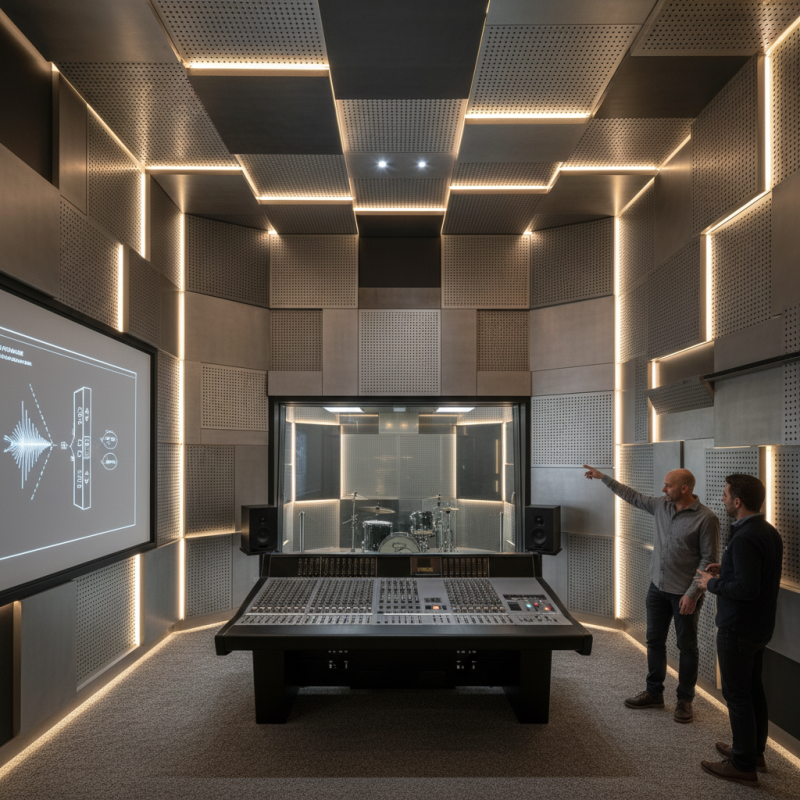
Understanding Acoustic Metal Panels and Their Function in Soundproofing
Acoustic metal panels play a crucial role in soundproofing. Understanding their function can significantly impact sound quality in various environments. According to the Acoustical Society of America, effective soundproofing reduces noise levels by up to 60%. This is particularly important in industrial settings and recording studios.
These panels work by absorbing sound waves and minimizing reflections. They are typically made from materials designed to deaden sound. Research indicates that metal panels can enhance low-frequency sound absorption, making them ideal for spaces that experience heavy noise. In fact, they can reduce reverberation time by as much as 40%.
When selecting acoustic panels, consider these tips: First, assess the specific noise issues you face. Identify whether you need absorption or sound blocking. Second, look for panels with appropriate ratings. Materials with high NRC (Noise Reduction Coefficient) scores provide better sound performance. Lastly, don't overlook installation methods. Proper mounting can enhance effectiveness, so consult with professionals if needed. Reflecting on these aspects may lead to more informed decision-making.
Key Factors to Consider When Selecting Acoustic Metal Panels
When selecting acoustic metal panels for soundproofing, several key factors play a critical role. The material's thickness is crucial; thicker panels typically offer superior sound absorption due to their mass. According to the National Institute of Standards and Technology, increasing the panel thickness by just 1/4 inch can improve sound reduction by 2-3 decibels. Additionally, consider the surface texture. Smooth surfaces reflect sound, while textured surfaces diffuse it effectively. Aim for panels with varying textures for a balanced acoustic environment.
Tip: Test the panels in your specific environment before installation. The acoustics can significantly differ based on room size and shape. You may need a mix of panel types to achieve your desired sound quality.
Another factor is the panel's sound transmission class (STC) rating. This rating measures how well a wall, floor, or ceiling attenuates sound. Research indicates that an STC rating of 45 or higher is essential for good soundproofing. Ensure the panels you choose meet this benchmark to optimize sound quality.
Tip: Remember, installation matters. Proper mounting techniques can significantly impact effectiveness. Gaps and poor alignment may reduce the panels' soundproofing capabilities. Regularly review installation techniques to ensure they remain effective over time.
Different Types of Acoustic Metal Panels and Their Applications
When choosing acoustic metal panels, it's essential to understand their types and applications. Metal panels can be classified as perforated, solid, or honeycomb designs. Perforated panels have holes that soften sound reflection. They are popular in music studios for their clear sound quality.
Solid metal panels provide robust soundproofing. These panels are often used in industrial settings. They are effective at blocking noise from machinery and busy environments. Honeycomb panels, on the other hand, offer an excellent balance between weight and acoustic performance. They are often deployed in auditoriums for improved sound clarity.
Application matters when selecting panels. Acoustic metal panels are suitable for various environments, including offices, studios, and public spaces. Their effectiveness depends on proper installation. Users need to consider factors like room size and purpose. Reflecting on these aspects can lead to better sound management, yet many overlook them. Each type of panel has its pros and cons, and understanding them is key.
Installation Techniques for Enhanced Soundproofing with Panels
When considering acoustic metal panels for improved soundproofing, installation techniques play a crucial role. To achieve optimal sound absorption, ensuring panels are installed correctly is essential. Begin by selecting the right location. Identify areas where sound reflection is highest. Acoustic panels should be placed strategically on walls and ceilings to minimize noise.
Tips: Use a sound level meter to assess noise levels in different spaces. This tool helps pinpoint areas that require the most soundproofing. Proper alignment of panels is also important. Misaligned panels may lead to gaps, allowing sound to seep through.
Consider the materials used in the panels. Metal panels can vary in thickness and density. Thicker panels generally provide better sound absorption. Experimenting with different configurations can yield surprising results. For instance, overlapping panels can create dead air spaces, enhancing sound dampening.
Tips: Always test the soundproofing effectiveness after each installation. This practice can help identify weaknesses in your setup. Remember, perfection might not always be achievable. Being open to adjustments and experimenting will lead to better soundproofing outcomes.
Maintenance and Care Tips for Long-lasting Acoustic Metal Panels
To maintain acoustic metal panels, proper care is crucial for ensuring their longevity and effectiveness. Regular cleaning is essential. Dust and grime can accumulate, affecting sound absorption properties. Use a soft cloth and a mild detergent diluted in water. Avoid abrasive cleaners, as they may scratch the surface. Industry reports show that maintaining clean panels can improve acoustic performance by up to 20%.
Another important aspect is preventing moisture buildup. High humidity can lead to corrosion. Monitoring indoor humidity levels is vital. Keeping the environment dry protects metal panels from rust, ensuring they last longer. Studies indicate that environments with controlled humidity extend the lifespan of acoustic materials by nearly 30%.
Lastly, periodic inspections can help identify any dents or warping. Early detection allows for timely repairs or replacements. Ignoring small damages can lead to larger issues over time. Addressing these imperfections promptly ensures continued soundproofing efficiency. Regular maintenance may require effort, but it significantly impacts durability and performance.
How to Choose Acoustic Metal Panels for Optimal Soundproofing? - Maintenance and Care Tips for Long-lasting Acoustic Metal Panels
| Dimension | Material Type | Sound Absorption Coefficient | Durability | Maintenance Tips |
| 2' x 4' | Aluminum | 0.75 | High | Wipe with a damp cloth; avoid harsh chemicals |
| 2' x 2' | Steel | 0.65 | Medium | Regular dusting; check for rust |
| 4' x 4' | Copper | 0.80 | Very High | Polish occasionally; protect from moisture |
| 3' x 5' | Zinc | 0.70 | High | Clean with a soft brush; avoid scratching |