How to Choose the Best UPVC External Doors for Your Home
Choosing the best UPVC external doors for your home is a significant decision that influences both the aesthetic appeal and energy efficiency of your property. UPVC external doors have rapidly gained popularity among homeowners due to their durability and low maintenance requirements. According to the latest market reports, the UPVC door market is expected to witness substantial growth, with a projected CAGR of 4.5% between 2021 and 2027. This surge can be attributed to their superior insulating properties, which can reduce heating bills by up to 30%, and their resistance to weathering, ensuring longevity even in harsh climates. As you embark on the journey to select the perfect UPVC external doors, understanding key factors such as materials, design options, and security features will empower you to make an informed choice that complements your home while enhancing its overall value.
Understanding the Benefits of UPVC External Doors for Home Security
When it comes to enhancing home security, choosing the right external doors is crucial. UPVC (unplasticized polyvinyl chloride) external doors have become increasingly popular due to their robust nature and excellent security features. One of the primary benefits of UPVC doors is their durability; they are resistant to weathering, which means they maintain their strength over time, providing a long-lasting barrier against potential intruders.
Additionally, UPVC doors can be fitted with advanced locking mechanisms that are designed to offer maximum security. Many models come with multi-point locking systems that secure the door at several points, making it significantly harder for anyone to break in. The material itself is also highly resistant to impact, which adds another layer of protection. Moreover, UPVC doors are often fitted with heat-insulating properties, ensuring that homes remain comfortable without compromising on safety. By choosing UPVC external doors, homeowners can effectively bolster their security while enjoying the benefits of durability and energy efficiency.
Key Features to Look for When Selecting UPVC External Doors
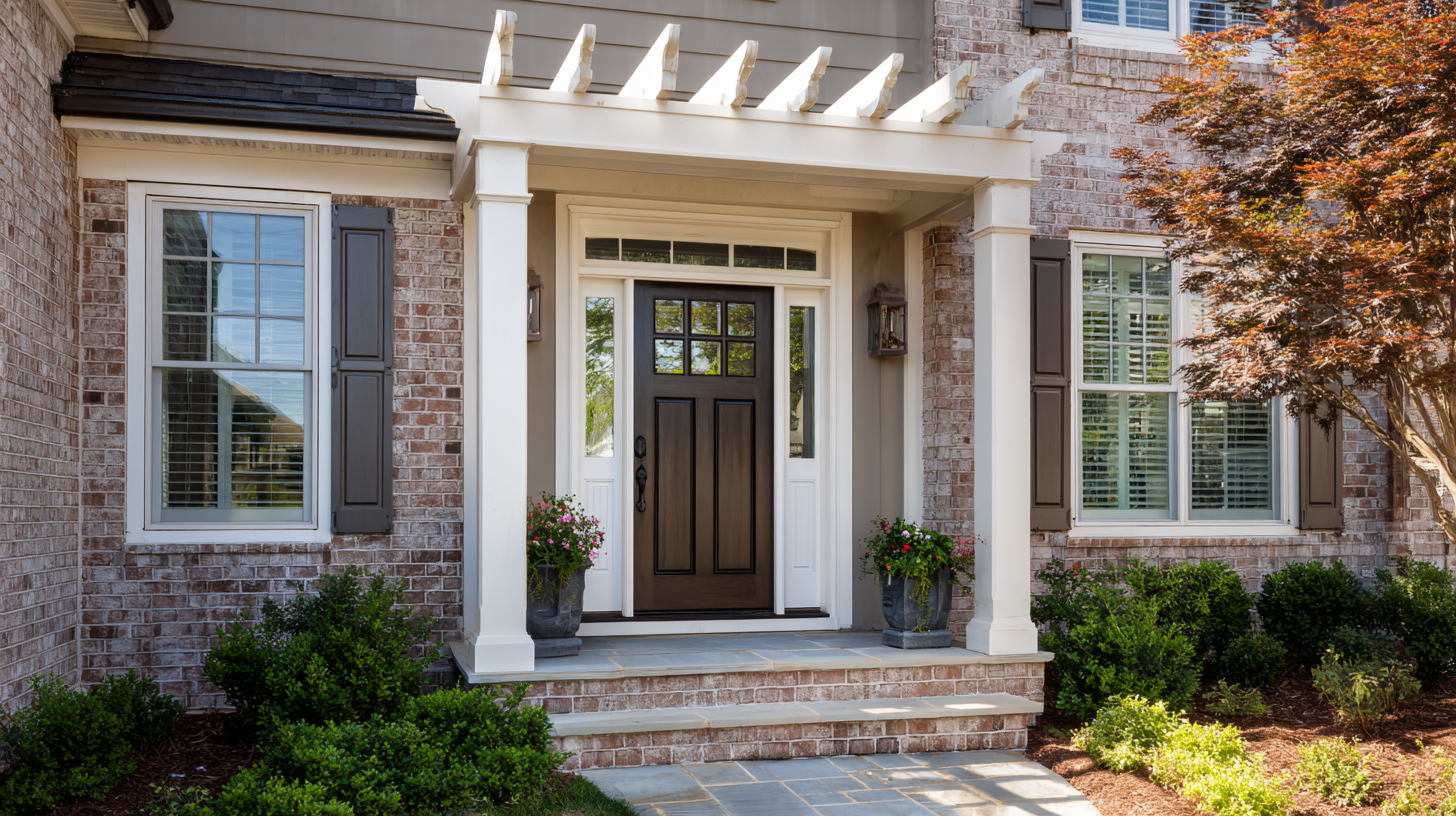 When selecting UPVC external doors for your home, it's essential to focus on several key features that can enhance both security and aesthetic appeal. A primary consideration should be the door's energy efficiency. Look for doors with good insulation properties that can help keep your home warm during winter months and cool in summer, ultimately reducing your energy bills. Consider doors with multi-chambered structures, as they provide better thermal performance.
Another crucial feature is security. Ensure that your UPVC door is equipped with a robust locking system. Multi-point locking mechanisms provide added security and peace of mind, making it difficult for unwanted intruders to gain access to your home. Additionally, check for anti-jemmy bars and reinforced frames, as these elements significantly enhance safety.
Tips: When choosing your door, always check for British standards certifications to ensure quality. Also, consider the thickness of the door; a thicker door typically offers better durability and insulation. Finally, look at the color and design options available, as selecting a door that complements your home’s style can greatly enhance its curb appeal.
Aesthetic Considerations: Colors, Styles, and Finishes for UPVC Doors
When selecting UPVC external doors for your home, aesthetic considerations play a crucial role. With a vast array of colors, styles, and finishes available, homeowners can enhance their property's visual appeal while benefiting from durability and energy efficiency. According to a report by the Home Improvement Research Institute, 70% of homeowners prioritize color choices when upgrading their entry doors, highlighting the impact that aesthetic decisions can have on overall home value.
Tips: To ensure coherence with your home's exterior, opt for colors that complement your existing architecture. Soft neutrals can provide a timeless elegance, while bold shades can create a striking focal point. Remember, lighter colors may reflect heat, contributing to energy efficiency.
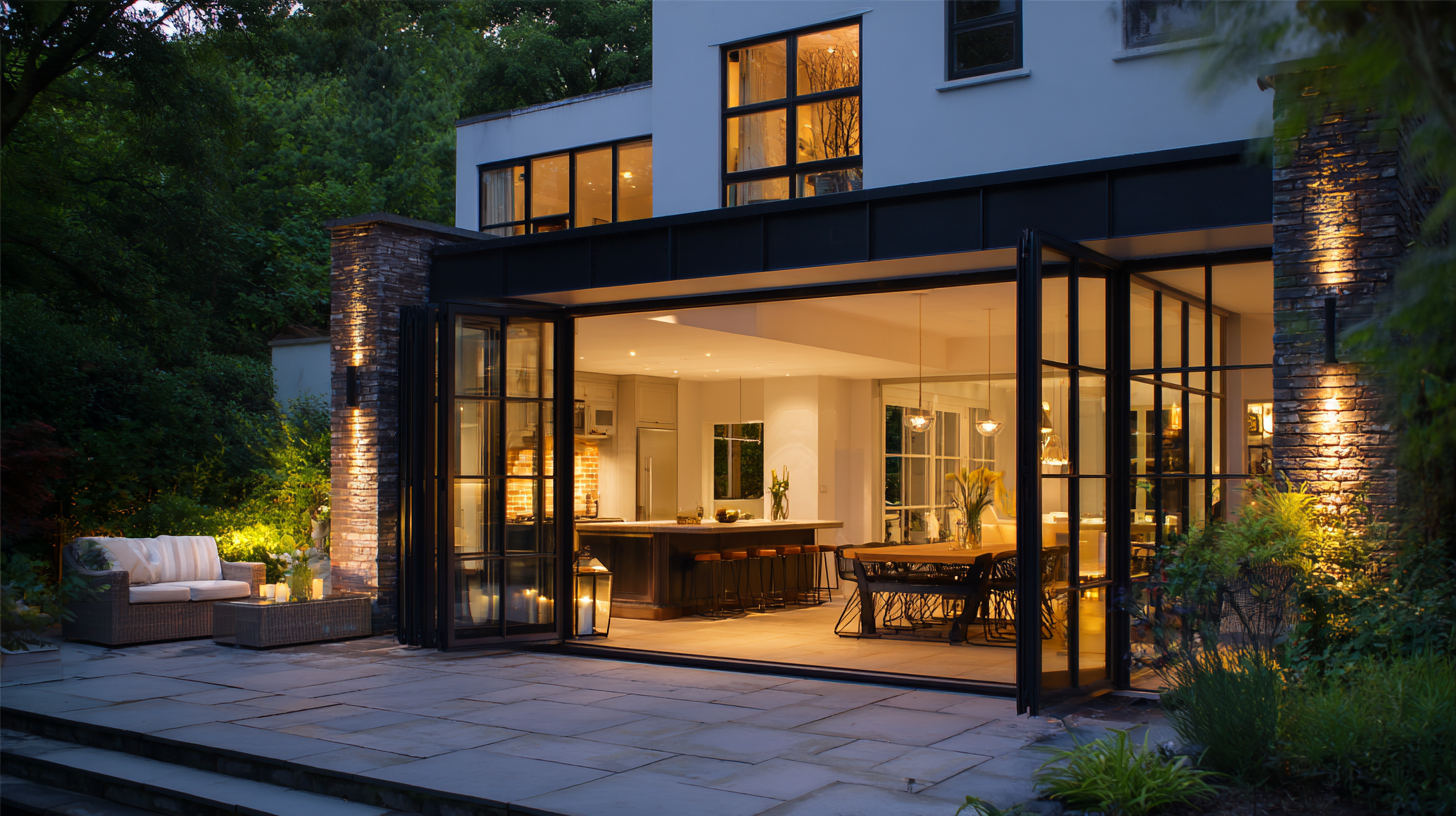
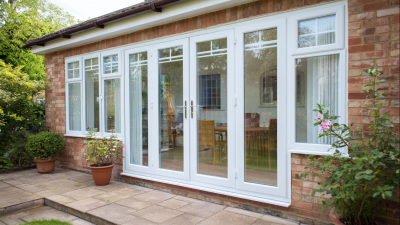
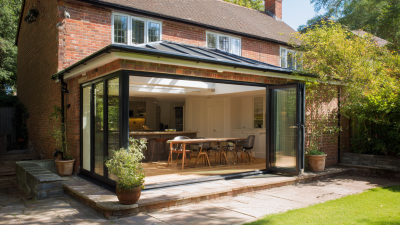
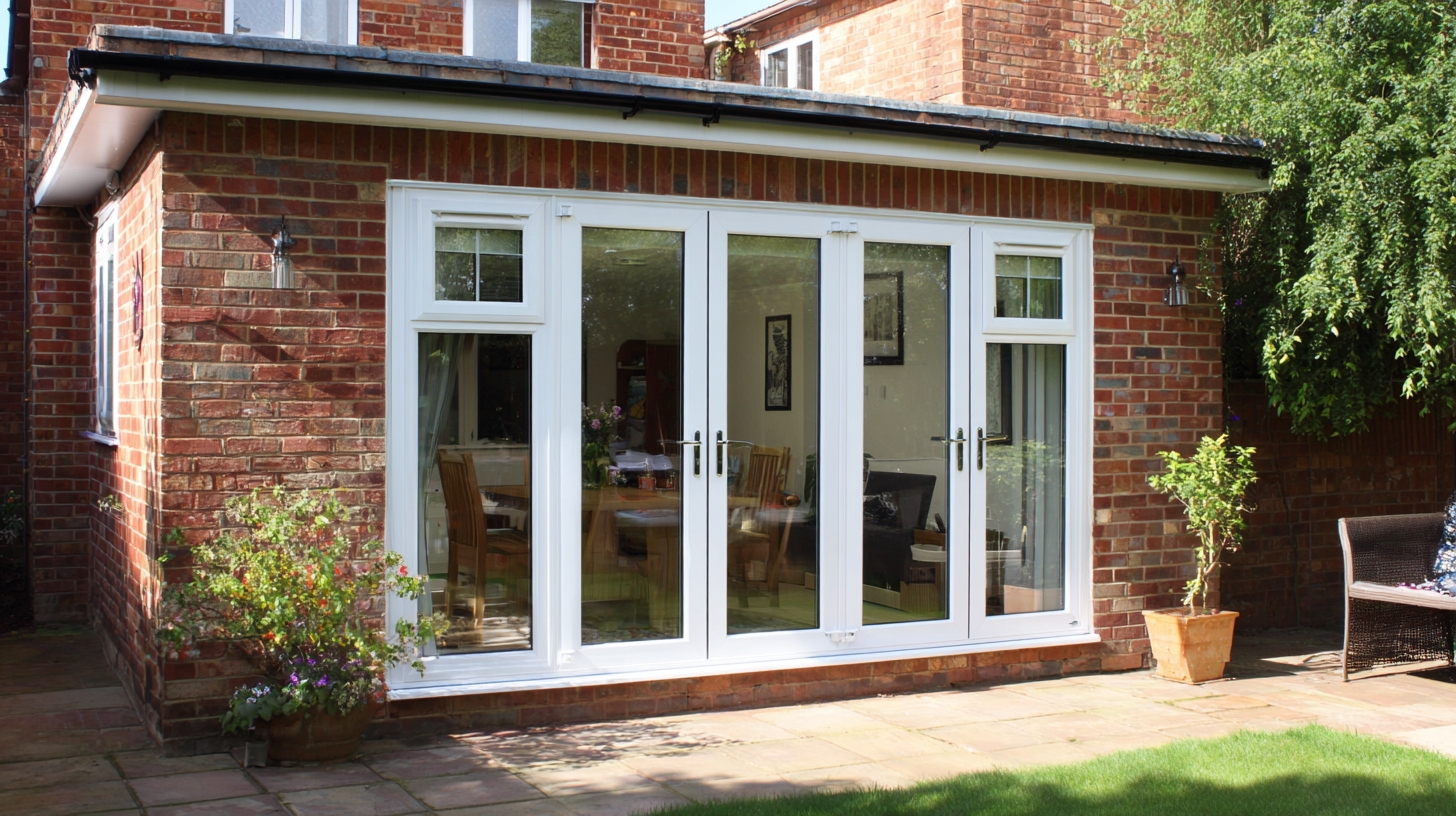
When it comes to styles, UPVC doors offer versatility—from contemporary sleek designs to traditional panel styles. Popular trends from the National Association of Home Builders indicate that bi-fold and French doors are increasingly favored for their ability to create a seamless indoor-outdoor living experience. Finishes also matter; textured surfaces can mimic the look of wood, providing a warm, inviting appearance without the maintenance drawbacks associated with natural materials.
Tips: Consider frosted or patterned glass inserts for added privacy while still allowing natural light to filter in. This not only boosts the aesthetic appeal but also enhances security, catering to both beauty and practicality.
Comparing UPVC Doors to Other Materials for Home Entry
When considering the best UPVC external doors for your home, it’s essential to compare them to other materials like wood and aluminum. According to the Door and Window Industry Association, UPVC doors offer impressive thermal efficiency with a typical U-value of around 1.0 W/m²K, making them significantly better than traditional wood doors, which often have U-values exceeding 3.0 W/m²K. This means UPVC can substantially reduce heating costs while keeping your home comfortable.
In addition, UPVC doors are highly resistant to weathering and do not require regular maintenance like wood, which can rot or warp over time. A report by the Home Improvement Research Institute indicates that homeowners may spend up to $1,500 annually on maintenance and repairs for wooden doors, while UPVC doors require minimal upkeep, saving both time and money in the long run.
Tips: When selecting UPVC doors, look for options that have a multi-chambered construction for enhanced insulation. Additionally, consider doors with reinforced cores to improve security without compromising aesthetic appeal. Finally, always check for certification marks that indicate energy efficiency and durability, ensuring that you invest in a quality product for your home.
Comparison of Material Durability for External Doors
Tips for Maintaining Your UPVC External Doors for Longevity and Performance
Maintaining your UPVC external doors is crucial for ensuring their longevity and optimal performance. Regular cleaning is an essential aspect of upkeep. Use a mild detergent and warm water to wash the door surfaces, avoiding abrasive cleaners that can scratch or damage the finish. Pay attention to the door frames and seals, as dirt and debris can accumulate, leading to potential water ingress and energy loss. A clean door not only looks inviting but also promotes better insulation.
Lubrication of moving parts is equally important. To prevent wear and tear, apply silicone spray or a similar lubricant to the hinges and locks at least twice a year. This will ensure smooth operation and reduce the risk of malfunction. Additionally, regularly check the weather seals for any signs of deterioration. Replacing damaged seals promptly will help maintain energy efficiency and protect your home from the elements. With these maintenance tips, your UPVC external doors can continue to enhance your home's aesthetic appeal while providing security and weather resistance.
How to Choose the Best UPVC External Doors for Your Home
| Feature |
Importance |
Maintenance Tips |
| Energy Efficiency |
High |
Regularly check seals for wear and ensure proper insulation. |
| Security Features |
Critical |
Inspect locks and hinges for functionality; consider additional locks. |
| Aesthetics |
Moderate |
Clean surfaces regularly and consider repainting or refinishing if necessary. |
| Durability |
High |
Avoid harsh chemicals when cleaning; address any damage promptly. |
| Noise Reduction |
Moderate |
Ensure seals are intact; consider acoustic seals for high noise areas. |