How to Choose the Best Double Glazed Doors for Your Home?
Choosing the right double glazed doors for your home is crucial. Tom Anderson, a renowned expert in home renovations, emphasizes, "The right doors transform spaces and enhance efficiency." Double glazed doors offer benefits like energy efficiency, noise reduction, and added security.
When selecting double glazed doors, consider style and material. What works for one home may not suit another. Take time to explore options. Glass types and frame materials can greatly affect insulation and aesthetics.
Investing in quality double glazed doors is key. They should align with your needs and home design. Balancing functionality and beauty often requires reflection and research. Each decision shapes your living space.
Factors to Consider When Selecting Double Glazed Doors
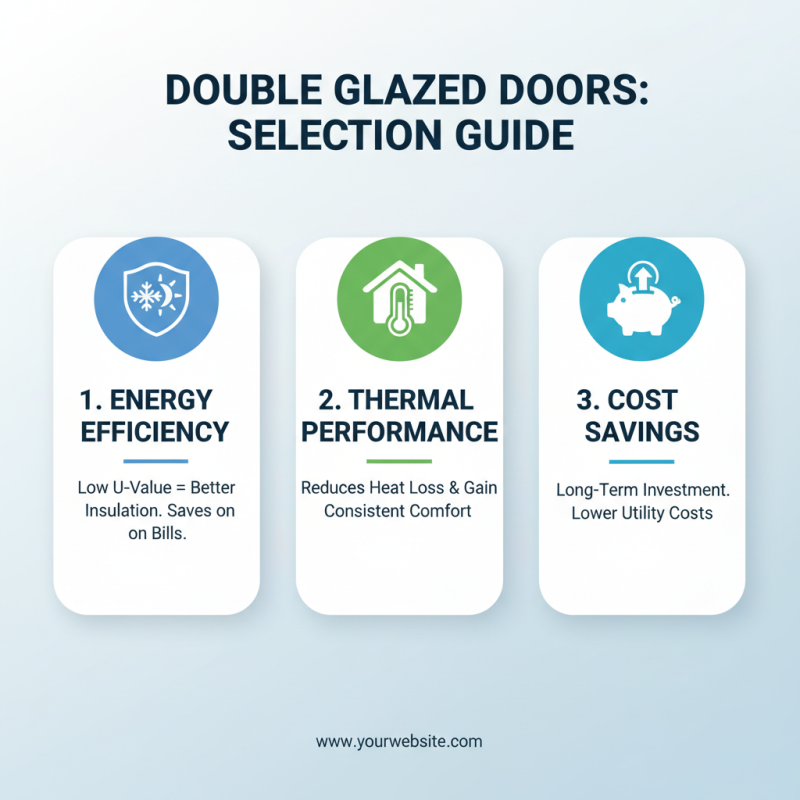
When choosing double glazed doors, several factors come into play. Energy efficiency is crucial. Look for doors with low U-values. This rating indicates thermal performance. Higher efficiency saves money on heating and cooling.
Consider the materials used in the door’s construction. Wooden frames add warmth but require maintenance. Aluminum frames are robust but less insulating. Think about the door’s style too. Your choice should harmonize with your home’s architecture. A mismatch can disrupt the overall aesthetic.
Security features are essential as well. Ensure the door has multi-point locking systems. Thickness of the glass also matters. Thicker glass provides better safety. Lastly, think about the installation process. A poorly installed door can negate all its benefits.
Types of Double Glazed Doors Available for Home Use
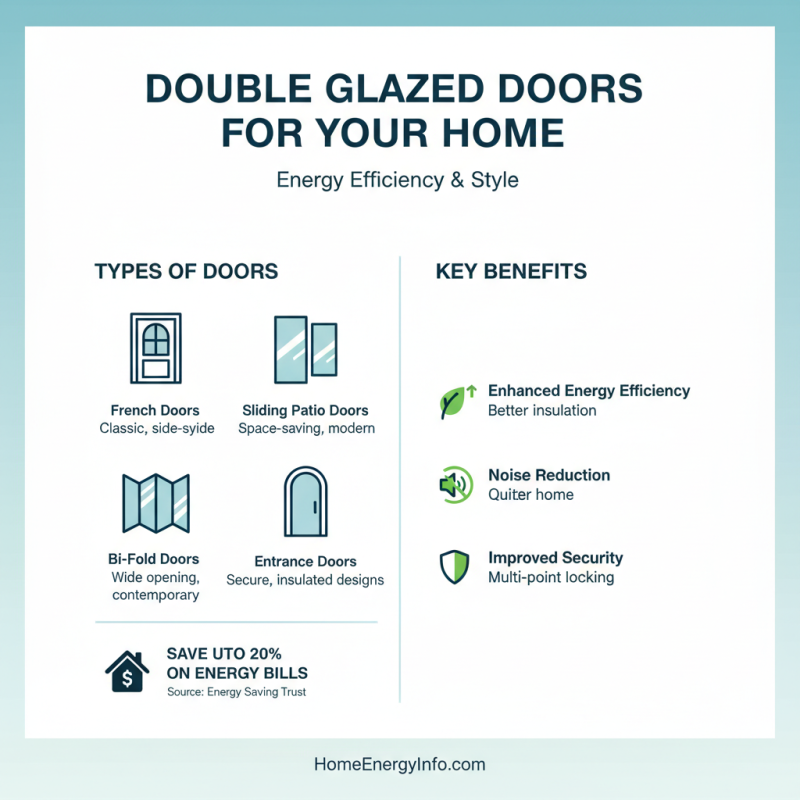
When selecting double glazed doors for home use, it is crucial to understand the types available. These doors not only enhance aesthetics but also improve energy efficiency. According to the Energy Saving Trust, homes with double glazed doors can save up to 20% on energy bills. This is significant in managing home energy consumption.
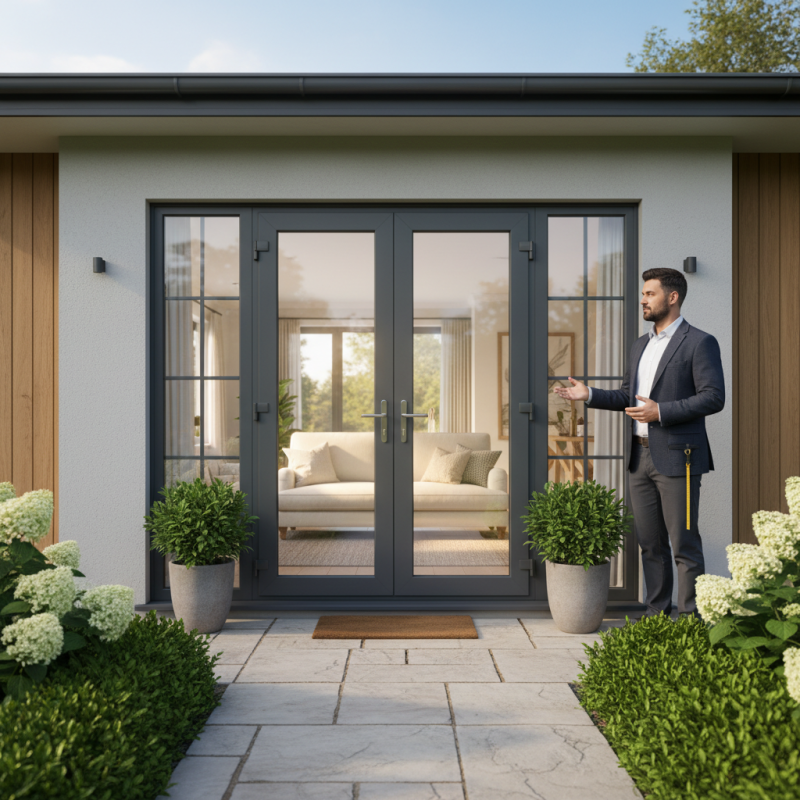
Common types include French doors, sliding doors, and bi-fold doors. French doors offer elegance and traditional style. They’re perfect for classic homes. Sliding doors, however, save space and provide a contemporary look. They are often found in modern designs, promoting seamless indoor and outdoor living. Bi-fold doors are versatile, folding neatly to one side. This maximizes natural light and creates an open atmosphere.
Yet, selecting the best type involves some challenges. Homeowners must consider insulation ratings and frame materials. Not all materials perform equally in terms of thermal efficiency. Some may require regular maintenance, while others are more durable. Choosing wisely means researching and understanding personal needs and preferences. Engaging with experienced contractors can provide insights, yet decisions should be made based on individual circumstances.
Material Options for Double Glazed Doors: Pros and Cons
When choosing double glazed doors, the material is crucial. It impacts insulation, durability, and aesthetics. Common materials include uPVC, wood, and aluminum. Each offers distinct advantages and challenges.
uPVC is low-maintenance and cost-effective. It resists rot and fading. However, it can look less appealing than other materials.
Wood provides warmth and is visually attractive. Yet, it requires more upkeep and is prone to warping.
Aluminum is strong and lightweight, with a modern feel. Unfortunately, it conducts heat, which can affect energy efficiency.
Here are some tips for making the best choice: Consider your climate. Certain materials perform better in specific conditions. For example, wood may not be ideal in humid areas. Evaluate your budget accurately. Do not overlook long-term costs. Lastly, think about your home's style. A cohesive look enhances curb appeal and value.
Energy Efficiency Ratings of Double Glazed Doors Explained
When choosing double glazed doors, energy efficiency ratings play a vital role. Understanding these ratings can save you money and ensure comfort in your home. Look for doors with high energy performance. These are measured by their U-value, which indicates heat transfer. A lower U-value means better insulation, keeping your home warm in winter and cool in summer.
Another important aspect is the energy star rating. Doors with higher star ratings are designed to limit heat loss effectively. You might find doors rated from one to six stars. It’s crucial to consider your local climate when evaluating these ratings. In warmer areas, you may prefer doors with effective solar heat gain coefficients. However, this may not be as important in colder regions.
Evaluating energy efficiency also involves looking at frame materials. Frames can influence the overall performance of your doors. Aluminum frames, while stylish, tend to conduct heat, while uPVC frames offer better insulation. Weighing these factors helps in ensuring your selection supports your home’s energy efficiency. Take your time to reflect on how each option aligns with your specific needs.
How to Choose the Best Double Glazed Doors for Your Home?
| Feature |
Rating Scale |
Example Performance |
| U-Value (insulation quality) |
0.8 – 2.0 W/m²K |
1.2 W/m²K (good thermal performance) |
| Solar Gain (G-value) |
0.1 – 0.8 |
0.5 (moderate solar gain) |
| Sound Reduction (Rw) |
30 – 50 dB |
38 dB (good noise insulation) |
| Air Tightness (A-value) |
0.2 – 2.0 m³/hm² |
0.5 m³/hm² (high air tightness) |
| Energy Efficiency Class |
A* - G |
A (high energy efficiency) |
Installation and Maintenance Tips for Double Glazed Doors
When installing double glazed doors, several factors require careful consideration. Ensuring proper installation can significantly enhance energy efficiency. Reports indicate that up to 25% of heat loss in a home occurs through poorly sealed doors. Proper sealing techniques and quality materials are crucial. Aim for doors with a minimum U-value of 1.6 W/m²K for effective thermal performance.
Maintenance plays an essential role in the longevity of double glazed doors. Regular cleaning is vital to avoid moisture buildup, which could damage the seals. Inspecting seals every six months is advisable. It’s also essential to address any visible gaps or damage immediately. Ignoring these issues can lead to increased energy bills. Experts agree that neglected maintenance can decrease lifespan by up to 20%.
Remember, condensation between panes is a sign of seal failure. Regular monitoring can prevent further issues. Staying vigilant about these aspects helps maintain your investment. While the initial cost might be higher, the long-term benefits, such as reduced heating costs and enhanced comfort, justify the choice.
Energy Efficiency of Double Glazed Doors vs. Single Glazed Doors