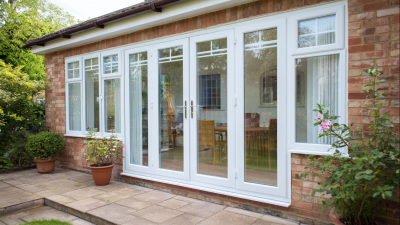
China Best Double Glazed Front Doors Manufacturer
Choosing a China Best Double Glazed Front Doors Manufacturer requires more than comparing catalogue prices. It demands evidence, practical knowledge, and careful questions. Double glazed front doors combine glass, frames, seals, hardware, and installation details. Each part affects comfort, security, and service life. A factory may offer low-E glass, argon-filled units, warm-edge spacers, thermal breaks, and reinforced hinges. However, attractive specifications do not automatically prove dependable performance.
Building-envelope expert Dr. Joseph Lstiburek often reminds professionals, “A window is a hole in a wall.” That simple statement also applies to glazed entrance doors. The door must resist air leakage, rain, wind pressure, and repeated daily movement. Experienced manufacturers should explain their glass configuration, frame insulation, drainage paths, threshold design, and seal quality. They should also provide test reports, sample details, production photographs, and clear warranty conditions. Independent verification remains valuable.
Look closely at the factory, not only the showroom. Ask how corners are joined. Check whether gaskets fit tightly around the glass. Request evidence of water and air testing. Review packaging before approving a large order. A reliable supplier should communicate tolerances, lead times, replacement procedures, and installation limits. No product is perfect. Even excellent double glazed front doors can perform poorly when fitted badly. That is an uncomfortable but important point. This guide introduces practical criteria for evaluating Chinese manufacturers, balancing thermal efficiency, appearance, durability, and real project experience. The strongest decision is rarely the cheapest one. It is the one supported by traceable evidence.
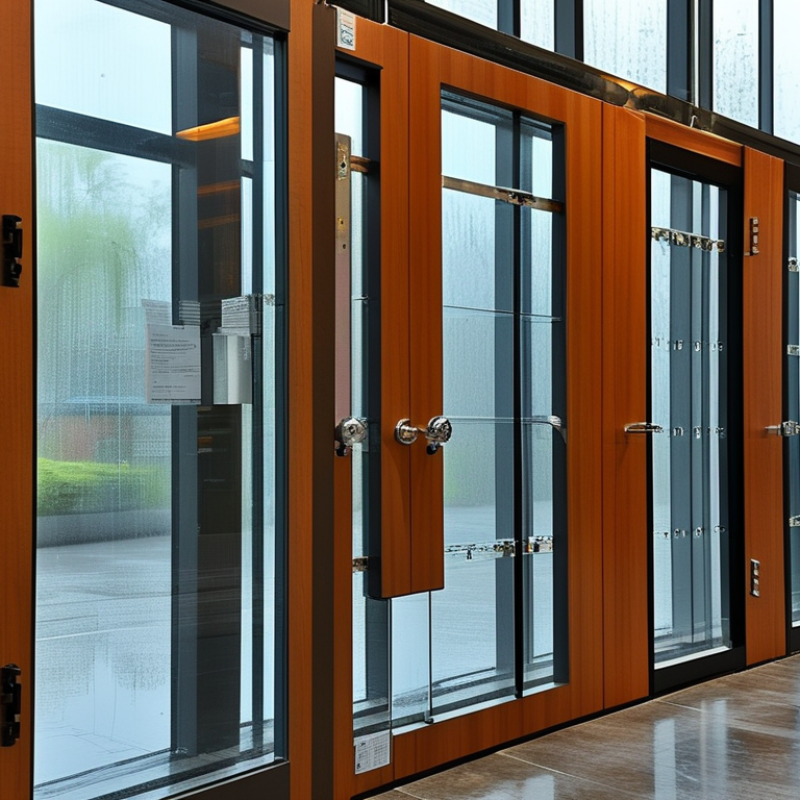
What Are Double-Glazed Front Doors?
Double-glazed front doors use two glass panes separated by a sealed air gap. This structure forms an insulating glass unit within the door panel. The gap commonly contains dry air or argon gas. A spacer keeps the panes apart and helps reduce heat transfer.
In practical door inspections, the glass is only part of the system. The frame, seals, threshold, and installation also affect performance. Low-emissivity glass can reflect indoor heat back into the room. Laminated or toughened glass may improve safety, depending on the design and local requirements. Noise reduction varies with glass thickness and the size of the air gap. Double glazing is not a complete cure for condensation. Poor ventilation or a cold frame can still create moisture. Small details matter.
Tips: Check the glass specification, spacer type, seal quality, and frame material. Ask for performance data, not vague promises. The door should close evenly, without rubbing or visible gaps. A neat installation usually includes sealed joints around the frame. I once assumed thicker glass always meant better insulation; that was too simple. Glass weight, edge sealing, and frame design must work together. Inspect the corners carefully. They often reveal workmanship problems before the first winter.
China Best Double Glazed Front Doors Manufacturer - What Are Double-Glazed Front Doors?
Double-glazed front doors use two panes of glass separated by an insulating air or gas-filled cavity. The chart compares typical centre-of-glazing U-values for common configurations. A lower U-value indicates better resistance to heat transfer and improved thermal insulation. Actual door performance also depends on the frame, edge spacer, seals, and installation quality.
How Double-Glazed Front Doors Are Designed and Manufactured
China Best Double Glazed Front Doors Manufacturer
How Double-Glazed Front Doors Are Designed and Manufactured
Design begins with the entrance, not the glass alone. Manufacturers measure the opening, wall thickness, exposure, and expected daily use. These details guide the frame size, glass spacing, hinge selection, and threshold height. Double glazing uses two sealed panes with an insulating air or gas cavity. Warm-edge spacers can reduce heat transfer around the glass edge. Low-emissivity coatings may improve indoor comfort without making the door look dark.
Production requires controlled accuracy. Frames are cut, joined, reinforced, and checked for squareness before glazing. The sealed glass unit must fit firmly but retain room for controlled movement. Experienced technicians inspect seals, drainage paths, locks, and surface finishes. A small alignment error can create rubbing, drafts, or uneven closing. We should admit that attractive drawings do not guarantee perfect performance. Site conditions often reveal details missed during design.
Tips: Confirm opening measurements twice. Ask for tested thermal and air-tightness data. Check the threshold against local weather conditions. Choose laminated safety glass where impact risk is higher. Inspect corners and seals before installation. Keep adjustment records for future maintenance. A reliable manufacturer should explain tolerances clearly, provide installation guidance, and welcome practical questions.
How to Evaluate a China-Based Front Door Manufacturer
A reliable China-based front door manufacturer should prove performance, not only present polished showroom photographs. The U.S. Department of Energy reports that windows account for about 25–30% of residential heating and cooling energy use. This makes glazing quality, frame insulation, and installation details commercially important.
Request independently verified U-values, air-leakage results, water-penetration tests, and wind-load data. Standards such as EN 1279 for insulating glass and ASTM E283 for air leakage provide useful comparison points. The International Energy Agency reports that building operations consumed around 30% of global final energy in 2022. A poorly specified door can quietly increase that burden.
Inspect the factory or hire an experienced auditor.
Check glass spacer storage, corner welding, gasket continuity, hardware adjustment, and batch traceability. Ask for a production sample, not only a catalogue model. Measure twice. Test once.
A dependable supplier should explain tolerances, lead times, packaging protection, replacement procedures, and warranty exclusions in writing. Ask for recent project references with similar climate exposure. Photographs can mislead. I have seen attractive samples fail because drainage channels were blocked during installation. That weakness belongs to the whole supply chain, not just the factory. Pricing also deserves caution: unusually low bids may hide thinner profiles, weaker hardware, or incomplete testing. A careful evaluation may feel slower, but it reveals whether the manufacturer can repeat quality at scale.