Best Bifold Windows for Your Home Design Needs?
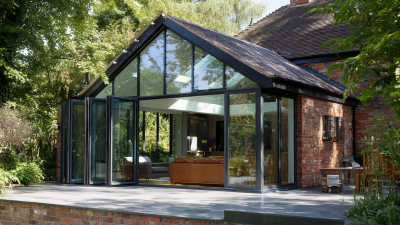
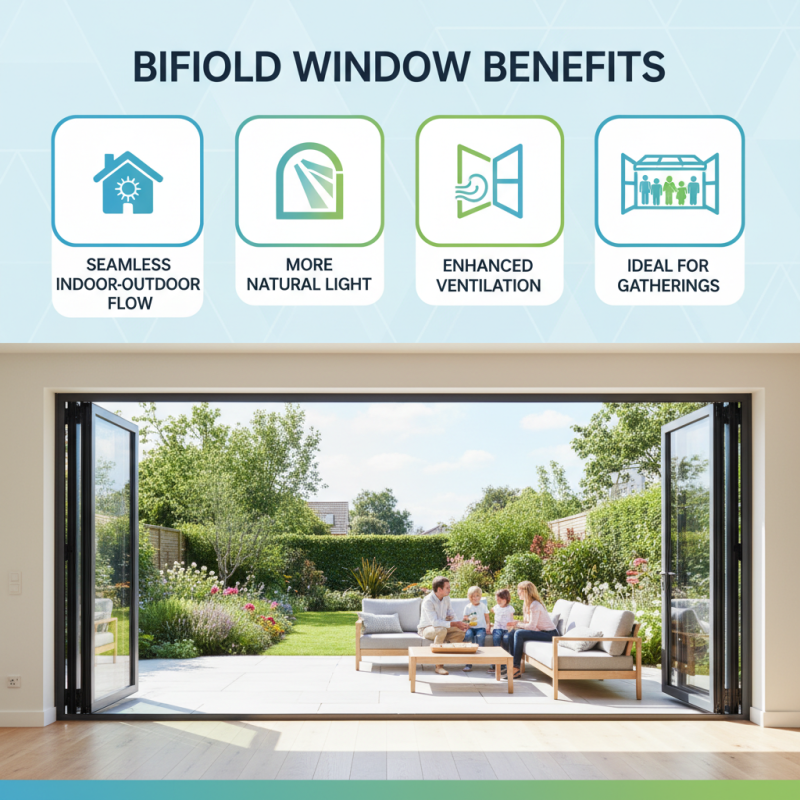
When selecting the best bifold windows for your home design, expert insights can be invaluable. Renowned architect Sarah Thompson states, "Bifold windows can transform your living space by merging indoor and outdoor areas seamlessly." These windows have gained popularity for their aesthetic appeal and functional benefits. They invite natural light while maximizing views, enhancing both atmosphere and ambiance.
Bifold windows come in various styles and materials, catering to different design preferences. Homeowners seek elegance alongside practicality. While they offer a stunning transition to outdoor spaces, potential downsides exist. Installation can be complex, and maintenance is crucial to ensure longevity. Without proper care, they may not perform as intended.
Choosing bifold windows requires thoughtful consideration of these factors. Reflecting on your needs and preferences helps navigate the options available. With the right approach and expertise, you can find the perfect bifold windows that elevate your home design while maintaining functionality.
Types of Bifold Windows for Different Home Styles
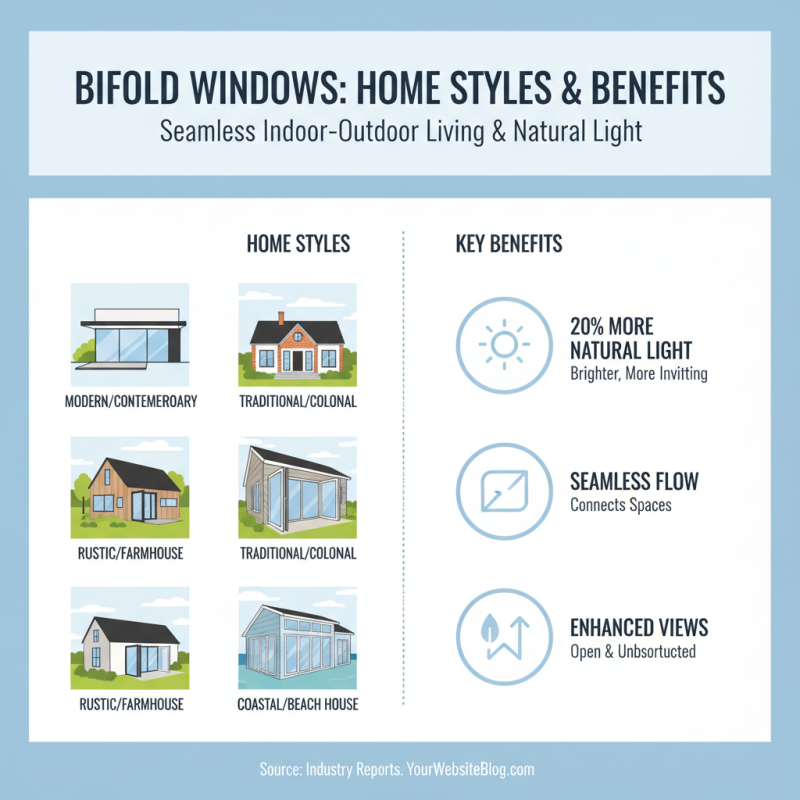
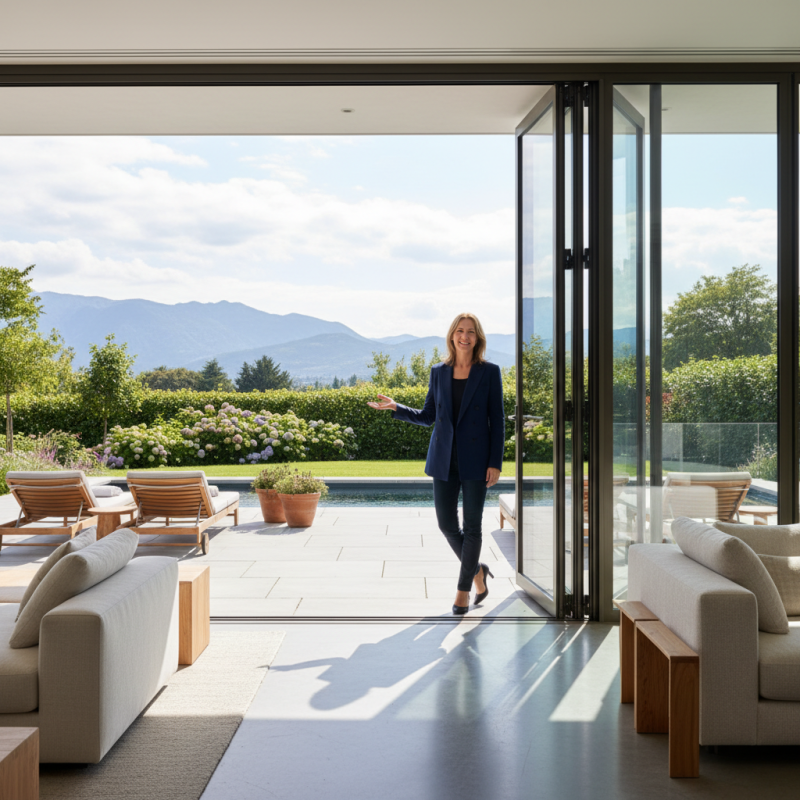
Bifold windows are becoming popular in various home styles. They provide a seamless connection between indoor and outdoor spaces. This feature is especially beneficial for homes that embrace natural light and open views. According to industry reports, homes with bifold windows can experience up to a 20% increase in natural light. This contributes to a more inviting atmosphere.
Craftsman-style homes and modern minimalism often benefit from bifold windows. The clean lines and expansive glass surfaces enhance the architectural appeal. However, it’s essential to choose the right materials for durability and energy efficiency. Aluminum and vinyl are common due to their robustness and low maintenance. Still, these options can sometimes compromise on warmth.
Traditional homes might favor wood-framed bifold windows. They provide a classic aesthetic but require more care over time. Wood can warp and swell, affecting performance. Homeowners should weigh these factors when selecting windows. Ultimately, the key is to align the window style with the overall home design while accounting for functionality and upkeep.
Key Features to Consider When Choosing Bifold Windows
When selecting bifold windows for your home, certain key features are crucial. Frame material is paramount. Options like aluminum and wood vary greatly in durability and insulation. According to industry reports, aluminum boasts a lifespan of over 30 years, while treated wood can last up to 20 years with proper care.
Energy efficiency is another factor. Windows are responsible for about 25% of a home's energy use. Look for bifold options with low U-values and high R-values. Some reports indicate that low-emissivity (Low-E) glass can improve insulation by up to 40%. Proper sealing also plays a role in performance. Air leaks can significantly diminish a window's effectiveness.
Consider design aesthetic too. Bifold windows should complement your home style. Whether modern or traditional, the right choice enhances visual appeal. However, some homeowners struggle with integration. It's essential to assess how natural light flows into your space. Flaws in alignment or sizing can create unnecessary gaps. Each choice impacts both functionality and your overall design vision.
Material Options for Bifold Windows: Pros and Cons
When choosing bifold windows, material selection is crucial. Each option comes with distinct pros and cons. Aluminum frames are lightweight and durable. They resist corrosion and require minimal maintenance. However, they may have lower insulation properties. On hot days, that can lead to higher energy costs.
Wood frames offer excellent insulation and aesthetic appeal. They provide a warm, natural look to any home. Yet, wood requires regular upkeep to prevent rotting and warping. Without care, their lifespan shortens significantly. Vinyl frames are low-maintenance and energy-efficient. They come in various colors and styles. But they may suffer from color fading over time.
Steel is another option known for its strength and security. It can support larger glass panes, creating a sleek appearance. Still, it may rust without proper protection. Homeowners must weigh these details. Each material brings unique benefits and challenges. Consider your location and climate for the best choice.
Material Options for Bifold Windows: Pros and Cons
Installation Tips for Bifold Windows to Enhance Home Design
When considering bifold windows, installation is key to maximizing their aesthetic and functional benefits. Proper installation can enhance your home’s design significantly. Start by ensuring a clean, level opening for the windows. An uneven surface may lead to operational issues over time.
Before installation, measure the window frame accurately. This avoids costly mistakes later. You should operate the window easily after installation. Make sure to seal properly to prevent air leakage. Use high-quality weather stripping for insulation.
Always prioritize safety during installation. Wear protective gear and handle glass with care. Check local building codes to ensure compliance. While it's tempting to rush, take the time to reflect on each step. This attention to detail will pay off in the long run. Mistakes can be costly, so learning from an imperfect installation is essential.