Top Benefits of Using Furring Channels in Construction?
In the construction industry, Furring Channels serve a crucial role. They create a gap between surfaces, enhancing insulation and reducing sound transmission. Contractors often opt for these channels for drywall installation and other applications. This practice not only improves structural integrity but also offers aesthetic benefits.
Using Furring Channels facilitates easier repairs and renovations. When changes are needed, accessing electrical or plumbing systems becomes more manageable. This method can save both time and costs in the long run. However, it’s vital to choose the right materials and dimensions for specific projects.
While Furring Channels provide multiple benefits, there are potential challenges. Miscalculating dimensions can lead to installation errors. Additionally, improper materials may compromise durability. Therefore, careful planning and consultation with experts are essential. Maximizing the advantages of Furring Channels requires both knowledge and experience.
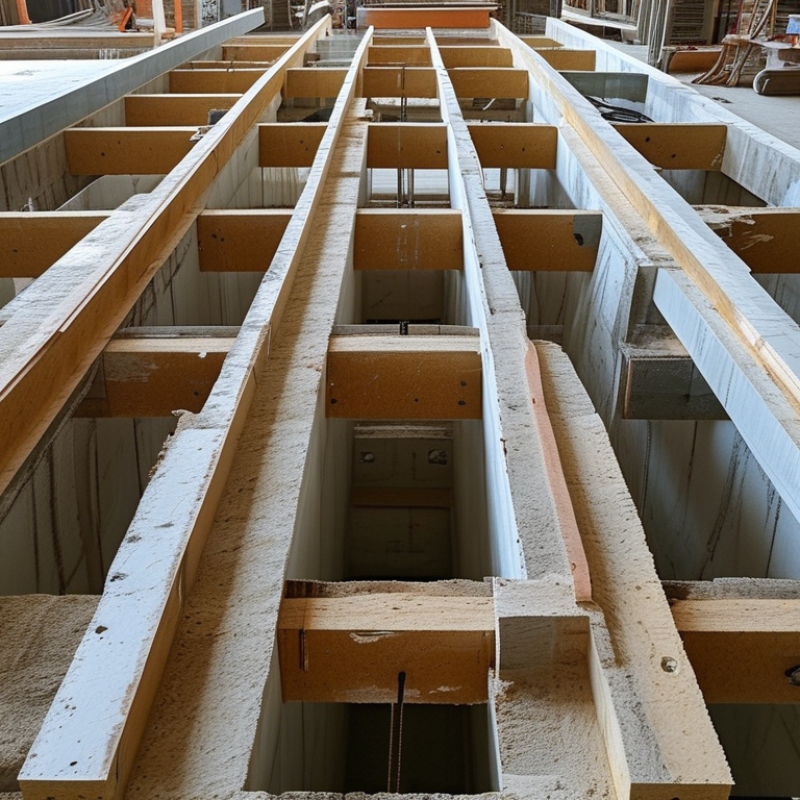
Understanding Furring Channels and Their Role in Construction
Furring channels are thin steel strips used to create space between walls and insulation. They hold drywall, allowing for a flat surface on uneven walls. In construction, their role is crucial in ensuring proper insulation and moisture control.
By installing furring channels, professionals can improve energy efficiency in buildings. They facilitate better insulation placement in walls, roofs, and ceilings. This can minimize heating and cooling costs. However, using furring channels means careful planning is essential. Incorrect installation can lead to gaps that reduce effectiveness.
Moreover, furring channels allow flexibility in design. They make it easier to mount fixtures, as well as acoustic panels. Yet, it's important to remember that not all projects require them. Builders should assess specific needs before deciding. Emphasizing the right materials matters significantly to achieve the best results.
Key Advantages of Installing Furring Channels in Building Projects
Furring channels play a critical role in modern construction. These metal or wooden strips provide a level surface for attaching drywall or other materials. Their ability to create an air gap improves insulation and energy efficiency. This is vital in maintaining a comfortable indoor environment.
Installing furring channels is more than just aesthetics. They help with moisture management. This is especially important in humid climates. The channels create a barrier, reducing the risk of mold growth. Proper installation ensures that walls stay dry and structurally sound. Mistakes made during installation can lead to future problems.
Durability is another key advantage of furring channels. They resist bending and warping over time. However, proper maintenance is essential. Regular inspections can help identify any wear or damage. Being attentive to these details is crucial for long-term success.
Improved Insulation and Energy Efficiency with Furring Channels
Furring channels play a vital role in enhancing insulation and energy efficiency in construction. These metal or wood strips act as a supportive framework for attaching drywall or other finishing materials. By creating a gap between the wall and the exterior, they help reduce thermal bridging. This feature is significant in maintaining indoor temperatures and minimizing energy loss.
Improved insulation is achieved as furring channels can accommodate additional insulation materials. Builders often place soundproofing or thermal insulation materials within these channels. This results in better energy efficiency. In colder climates, a well-insulated wall can lower heating costs. Similarly, in warmer regions, it helps keep interiors cool without overworking air conditioning systems.
However, applying furring channels requires careful consideration. Improper installation can lead to gaps and reduce their effectiveness. It's essential to consult with knowledgeable professionals during the process. Regular inspections can pinpoint potential issues over time. While the benefits are clear, ensuring proper installation and maintenance is key to maximizing energy efficiency throughout the building lifecycle.
Top Benefits of Using Furring Channels in Construction
| Benefit | Description | Impact on Insulation | Energy Efficiency Improvement |
| Enhanced Airflow | Furring channels facilitate air movement behind walls, reducing moisture build-up. | Reduces chances of mold growth, improving overall insulation quality. | Minimizes energy loss, thus lowering heating and cooling costs. |
| Acoustic Insulation | Supports soundproofing materials, absorbing sound effectively. | Improves sound barriers, contributing to quieter indoor environments. | Increases comfort levels, promoting lower energy usage for climate control. |
| Reduced Weight on Structures | Lightweight nature allows for less strain on building foundations. | Less structural load helps maintain insulation integrity over time. | Long-term energy savings due to reduced need for structural reinforcement. |
| Versatile Applications | Can be used in various construction types (residential, commercial). | Adaptable insulation solutions tailored to specific needs. | Supports various energy-efficient designs and strategies. |
| Easy Installation | Simplifies the labor process with straightforward mounting solutions. | Timely installation contributes to maintaining insulation performance. | Shorter project timelines help optimize energy efficiency from the start. |
Furring Channels: Enhancing Wall Stability and Aesthetics
Furring channels play a crucial role in enhancing wall stability and aesthetics in construction. These metal channels provide a framework for attaching drywall and insulation. By creating a level base, they can effectively address common wall issues like bowing and uneven surfaces. According to the Gypsum Association, properly installed furring channels can improve a wall's structural integrity by up to 30%.
Moreover, furring channels contribute to better thermal and acoustic performance. This is significant in commercial and residential buildings where both aesthetics and functionality matter. Studies by the National Institute of Standards and Technology indicate that sound transmission can be reduced by 75% when furring channels are used with appropriate materials. However, a lack of proper installation can undermine these benefits. Misalignment or incorrect spacing might lead to greater sound leakage or insulation gaps.
Aesthetically, furring channels allow for a seamless finish. They can support various wall treatments, from paint to sophisticated tiles. Building codes often require precise detailing and adherence to standards, which can be overlooked during installation. Such oversights could compromise both the visual appeal and the building’s energy efficiency. Careful planning and execution are vital to realize the full potential of furring channels.
Top Benefits of Using Furring Channels in Construction
Cost-Effectiveness of Furring Channels in Modern Construction Techniques
Furring channels play a crucial role in modern construction. They provide a framework for attaching drywall or other materials. This method improves insulation and reduces costs. Using furring channels can lead to significant savings in materials and labor. Their lightweight design reduces transportation and handling costs.
Furring channels also simplify the construction process. They create a level surface for drywall installation. This can save valuable time on the job site. However, some might underestimate the importance of proper installation. Incorrectly placed channels can lead to uneven walls. This mistake can increase renovation costs in the long run.
In addition to cost savings, furring channels enhance energy efficiency. They create an air gap that improves insulation. This can lower heating and cooling costs. However, it's essential to use high-quality materials. Inexpensive channels may not provide the same long-term benefits. Investing in reliable materials pays off over time. Embracing these methods can lead to smarter construction choices.