PRIZE DRAW (T&Cs APPLY)
FIND OUT MORE
Get a Price
Request a Brochure

2026 Top Types of uPVC Front Doors for Global Buyers

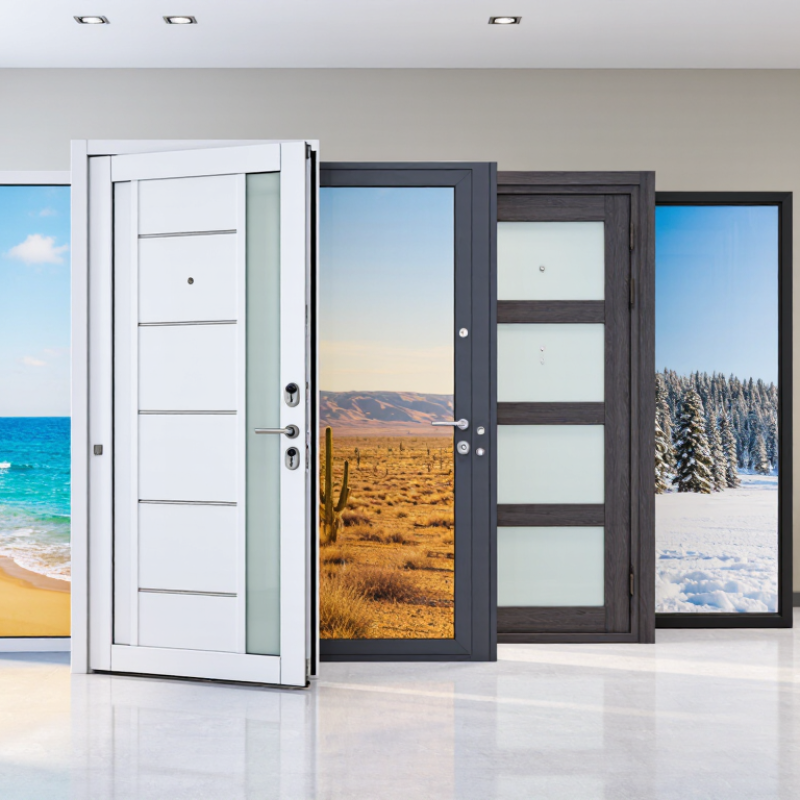
In 2026, global buyers are examining uPVC front doors beyond simple appearance. They want reliable security, stable insulation, low maintenance, and consistent performance across demanding climates. A door displayed in a showroom may face coastal salt, desert heat, heavy rain, or repeated winter freezing.

The International Energy Agency reports that buildings account for about 30% of global energy demand and 26% of energy-related emissions. This context makes thermal performance increasingly important when selecting front doors. Properly designed uPVC profiles, insulated cores, weather seals, and low-emissivity glazing can reduce drafts and indoor heat loss. However, performance depends on the complete door system, not the frame alone.

Industry research also supports this shift. Grand View Research identifies energy efficiency, renovation activity, and durable materials as important drivers within the global doors market. Reports from Interconnection Consulting similarly highlight replacement demand and regional differences in European door markets. These findings help explain why buyers are comparing panel styles, glazing options, locking systems, and opening directions more carefully.

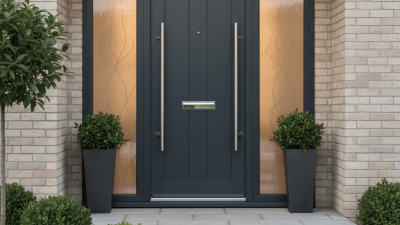
The leading types of uPVC front doors in 2026 will not suit every property. A reinforced panel door may fit a busy family entrance, while a glazed composite-style design may better serve a modern townhouse. Coastal projects need corrosion-resistant hardware. Cold regions need stronger sealing.

Small details matter.

This guide compares popular uPVC front doors for international buyers, using practical specifications and supplier experience. It also questions common marketing claims, because laboratory ratings do not always predict installation results. Door size, wall construction, fitting quality, and local climate can change real-world performance significantly.
2026 Top Types of uPVC Front Doors for Global Buyers

What Are uPVC Front Doors and Why Are They Popular Worldwide?

uPVC front doors are entrance doors made from unplasticized polyvinyl chloride, a rigid material designed for everyday exposure. From my experience reviewing residential projects, they feel stable, clean, and easier to maintain than many painted timber doors. They do not rust, resist moisture, and usually keep their color for years. Still, no material is perfect. Poor installation can cause drafts, weak locking, or uneven closing.

Their worldwide popularity comes from practical performance and flexible design. Casement doors suit compact entrances, while sliding designs help save interior space. Panelled doors offer a traditional appearance, and large glazed sections bring more daylight into darker hallways. Multi-chamber frames can improve insulation, but performance depends on glass quality, seals, hardware, and installation. A low price alone proves very little.

Tips: Check the frame depth, weather seals, drainage holes, and hinge strength before ordering. Ask for tested thermal and security data, not vague claims. Confirm the opening direction and threshold height with an experienced installer. Regional weather matters too; a door designed for mild conditions may feel inadequate in strong wind or severe cold. I would also inspect a physical sample, because online color images can be misleading.
Main Types of uPVC Front Doors by Design and Opening Style

2026 Top Types of uPVC Front Doors for Global Buyers

Main Types of uPVC Front Doors by Design and Opening Style

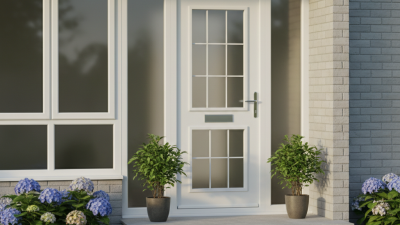
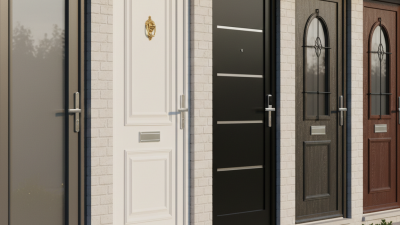
uPVC front doors come in several practical designs for different homes and climates. Solid-panel doors offer strong privacy and suit entrances facing busy streets. Glazed doors bring daylight into narrow hallways, while frosted or patterned glass limits direct views. Half-panel designs balance privacy with natural light. They are useful for family homes and shaded entrances. Decorative panels can create a traditional appearance, but complex details may require more careful cleaning. Simple is often better.

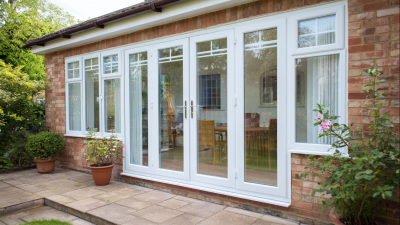
Opening style also changes daily comfort. Single-leaf doors fit most entrances and need less wall space. Double doors create a wider opening for furniture, bicycles, or accessible movement. French-style openings usually add symmetry, though both leaves need accurate alignment. Inward-opening doors protect hardware from some weather, while outward-opening models can save interior space. Local wind exposure and building requirements should guide this choice.

Sliding options can work for wider porches, but they may not provide the same entrance feel. Check the threshold height, hinge strength, drainage path, and seal compression before ordering. A small threshold can reduce trip risks. Poor adjustment causes drafts and uneven closing.

No design is perfect. A highly glazed door may lose privacy, while a fully solid door can make a hallway feel dark. Measure the opening carefully, including frame depth and surrounding brickwork. A professional survey remains worthwhile, especially for older properties.

Key Materials, Profiles, Glass Options, and Security Features

2026 Top Types of uPVC Front Doors for Global Buyers

For global buyers, material quality starts with the uPVC compound and steel reinforcement. Virgin-grade uPVC usually offers better color stability and impact resistance. Recycled content can reduce environmental impact, but its consistency needs verification. Ask for test records, not attractive promises.

Profiles affect insulation, drainage, and long-term alignment. Multi-chamber frames generally reduce heat transfer and improve rigidity. A deeper profile may suit cold climates, while slimmer systems can support modern designs. In coastal areas, check drainage paths and corrosion-resistant reinforcement. Small details matter.

Glass selection changes comfort and security. Double glazing remains practical, while triple glazing suits colder regions and noisy streets. Low-emissivity coatings help retain indoor heat. Laminated glass can resist impact and hold together after breakage. Tempered glass improves safety, but it does not prevent forced entry alone.

Security depends on the complete door set. Specify a multi-point locking system, reinforced hinges, a solid cylinder, and a properly fixed frame. The cylinder should resist drilling and manipulation. Ask whether the locking points are tested as a complete assembly. A strong lock on a weak frame is misleading.

Installation is often underestimated. Even a well-made door can leak air when the opening is poorly prepared. I have seen attractive units fail because installers ignored threshold drainage. That mistake is expensive. Local climate, building movement, and maintenance habits should shape the final specification. No profile fits every market perfectly.

2026 Top Types of uPVC Front Doors for Global Buyers

Key materials, profiles, glass options, and security considerations

Chart: Representative whole-door thermal transmittance values for common uPVC front-door configurations. Lower U-values indicate better insulation performance.

  • uPVC profile: Multi-chamber profiles, commonly with five to seven chambers, help reduce heat transfer and improve frame stability.
  • Glass options: Low-emissivity double glazing typically achieves around 1.1 W/m²K centre-pane Ug, while triple glazing can reach approximately 0.6 W/m²K.
  • Materials: Reinforced uPVC frames are often paired with insulated foam-core panels or low-e insulating glass units.
  • Security features: Laminated safety glass, reinforced door sections, multipoint locking systems, adjustable hinges, and cylinder protection are commonly specified for higher-security doors.

Actual whole-door performance depends on the frame, panel, glass unit, dimensions, spacers, installation quality, and threshold design.

How to Compare Energy Efficiency, Durability, and Maintenance Needs

2026 Top Types of uPVC Front Doors for Global Buyers

For global buyers, energy efficiency starts with the whole door, not only the uPVC frame. Compare the U-value, glazing specification, weather seals, and threshold design. A low U-value alone can mislead. Poor installation may leave cold air around the edges. Multi-chamber profiles, double or triple glazing, and compression seals can improve indoor comfort. In colder regions, insulated panels matter. In hot climates, solar-control glass may reduce heat gain. French, panel, and glazed uPVC doors can all perform well when their specifications match the local climate.

Durability depends on reinforcement, hinges, locks, drainage, and exposure. Steel reinforcement can help larger doors resist warping, especially under frequent use. Coastal homes need corrosion-resistant hardware and careful drainage. Strong sunlight may gradually affect finishes, even when the frame is designed for outdoor use. Maintenance is usually simple: wipe the surface with mild soapy water, clear drainage holes, and lubricate moving parts as instructed. No door is maintenance-free. Installation quality remains an uncomfortable variable that product brochures often understate.

Tips: Request tested performance data, not vague claims. Check the declared U-value and air leakage rating. Inspect sample corners and seals. Ask who handles adjustments after installation. A small alignment issue can cause drafts, noise, and premature wear. Recheck the door after seasonal temperature changes.

2026 Top Types of uPVC Front Doors for Global Buyers - How to Compare Energy Efficiency, Durability, and Maintenance Needs
uPVC Front Door Type Typical Configuration Indicative Whole-Door U-Value Energy Efficiency Durability and Weather Resistance Maintenance Needs Security Considerations Best-Suited Applications Overall Value Profile
Solid Panel uPVC Door Multi-chamber uPVC frame with an insulated, largely opaque door panel and limited or no glazing. Approximately 0.9–1.4 W/m²K, depending on panel thickness, frame design, seals, and installation quality. Very good Strong resistance to rain, wind, ultraviolet exposure, and ordinary temperature changes. A solid panel has fewer vulnerable glass areas. Low. Clean with mild soapy water; inspect hinges, locks, drainage channels, and weather seals periodically. Use a reinforced panel, a multi-point locking system, security hinges, and laminated or impact-resistant components where required by local standards. Cold or windy climates, privacy-focused entrances, apartments, family homes, and projects prioritising heat retention. High insulation and privacy with a generally competitive purchase and maintenance cost.
Part-Glazed uPVC Door Insulated uPVC door panel with one insulated glass unit, commonly positioned in the upper section. Approximately 1.0–1.6 W/m²K with low-emissivity double glazing; performance varies with glass size and spacer design. Very good Good resistance to moisture and corrosion. The glass unit and glazing seals should be protected from impact and checked for condensation between panes. Low to moderate. Clean the frame and glass, lubricate moving hardware, and replace worn gaskets when necessary. Prefer laminated safety glass or an appropriate impact-resistant specification, plus a certified multi-point lock and secure glazing retention. General residential entrances where daylight and thermal performance are both important. Balanced option for buyers seeking natural light without the larger glass area of a fully glazed door.
Fully Glazed uPVC Door Large glazed area within a reinforced uPVC frame; typically uses double or triple insulating glass. Approximately 1.0–1.8 W/m²K with suitable low-emissivity insulating glass; solar gain depends on glass selection and orientation. Good to very good Frame performance is strong, but the glass area can be more exposed to impact, thermal stress, and accidental damage. Moderate. Requires regular glass cleaning, seal inspection, drainage checks, and hardware adjustment over time. Laminated safety glass, secure glazing beads, anti-lift hardware, and a tested multi-point lock are recommended for exposed entrances. Bright entryways, modern homes, mild climates, and locations where visual connection and daylight are priorities. High daylight value, but the specification may cost more and can require greater attention to solar control and privacy.
Decorative Panel uPVC Door Insulated door panel with embossed textures, coloured foils, decorative mouldings, or patterned inserts. Approximately 1.0–1.6 W/m²K, depending on the insulated panel core and decorative construction. Very good Good resistance to water and rot. Dark finishes may absorb more solar heat, so colour stability and expansion tolerances should be verified for hot climates. Low. Use non-abrasive cleaning products and inspect decorative inserts, edge seals, hinges, and locking hardware. Choose reinforced panels and tested locking hardware; decorative features should not reduce the effective strength of the door leaf. Detached houses, renovation projects, heritage-inspired façades, and buyers wanting appearance with limited upkeep. Strong aesthetic flexibility with good insulation and low routine maintenance.
uPVC French Doors Pair of outward- or inward-opening door leaves, usually glazed and joined at the centre meeting stile. Approximately 1.2–2.0 W/m²K for the complete set, depending on the meeting stile, glazing area, seals, and threshold. Good Good resistance when correctly installed, but the central meeting point and two operating leaves create more potential air and water leakage paths. Moderate. Keep both leaves aligned, lubricate hinges and locks, check the central seals, and clear drainage openings. Use shoot bolts, a multi-point locking system, laminated glass, anti-lift protection, and a properly anchored frame. Wide entrances, period-style homes, patios, and properties requiring a larger clear opening. Excellent access and appearance, with higher adjustment and hardware requirements than a single-leaf door.
uPVC Stable Door Horizontally split upper and lower leaves that can open together or independently; often combined with glazing in the upper leaf. Approximately 1.2–1.8 W/m²K, depending on the split joint, panel design, glazing, and sealing system. Good Suitable for normal residential exposure when the split joint is well sealed. More moving parts require careful alignment to maintain weather tightness. Moderate. Clean seals, check the central joint, lubricate separate locking points, and adjust both leaves if movement occurs. Both leaves should have secure independent locking points, reinforced hinges, and impact-resistant glazing where appropriate. Rural homes, kitchens, homes with pets or children, and entrances needing ventilation or controlled access. Flexible daily use and attractive appearance, balanced against more frequent hardware checks.
uPVC Composite-Style Door uPVC outer frame combined with a thicker insulated door slab designed to resemble a composite entrance door. Approximately 0.8–1.4 W/m²K when fitted with a well-insulated slab, effective seals, and a thermally efficient threshold. Excellent Very good dimensional stability, weather resistance, and impact performance when the slab, frame, hinges, and threshold are correctly matched. Low. Routine cleaning and periodic inspection of seals, hinges, drainage, and locking points are normally sufficient. Look for a reinforced slab, secure cylinder protection, a certified multi-point lock, laminated glazing where used, and independently tested door-set performance. Cold climates, high-performance new homes, exposed coastal locations, and buyers prioritising long-term comfort. Higher initial cost may be justified by stronger thermal performance, robustness, and reduced long-term maintenance.
Comparison note: U-values are indicative whole-door ranges rather than guaranteed results. Lower U-values indicate lower heat transfer. Actual performance depends on the complete door set, glazing, threshold, frame size, installation, air leakage, local climate, and building regulations. Request independently tested whole-door data rather than comparing the panel or glass value alone.
Buyer checklist: Confirm the declared U-value and air, water, and wind performance; verify the applicable local security and safety standards; check the warranty for colour, hardware, seals, and glazing; and ensure the installer provides correct perimeter sealing, drainage clearance, threshold support, and adjustment after installation.

How Global Buyers Can Choose the Right uPVC Front Door Supplier

2026 Top Types of uPVC Front Doors for Global Buyers

How Global Buyers Can Choose the Right uPVC Front Door Supplier

A dependable uPVC front door supplier should provide more than attractive panel designs. Buyers should request tested U-values, air leakage, water tightness, wind resistance, and security performance. These results must match the destination climate and local building codes. The UNEP and GlobalABC 2023 Global Status Report states that buildings consume about 30% of global final energy. Doors alone cannot solve this issue, but poor sealing can increase heating and cooling demand. Small gaps matter.

Check the supplier’s factory controls, material specifications, warranty terms, and replacement process. Ask whether the profile includes recycled content, UV stabilisers, reinforced steel, and low-temperature impact testing. Standards such as EN 14351-1 and ISO 10077-1 can support clearer comparisons. However, certificates may cover only one configuration. This is where buyers often make mistakes. A tested sample may not represent the final size, glass, hardware, or colour. Independent laboratory reports are safer than catalogue claims. Request traceable batch records, installation guidance, and pre-shipment inspections.

Tips: Compare complete door systems, not frame prices alone. Confirm hinge quality, threshold drainage, glazing thickness, and packaging protection. Ask for climate-specific evidence. Review the warranty carefully. A low quote can become expensive after one damaged shipment or failed installation. When uncertain, order a sample unit first. Practical judgment still matters.